TwInn4MicroUp at EUROBIOTECH 2026: Advancing Biotechnology Through Innovation and Collaboration
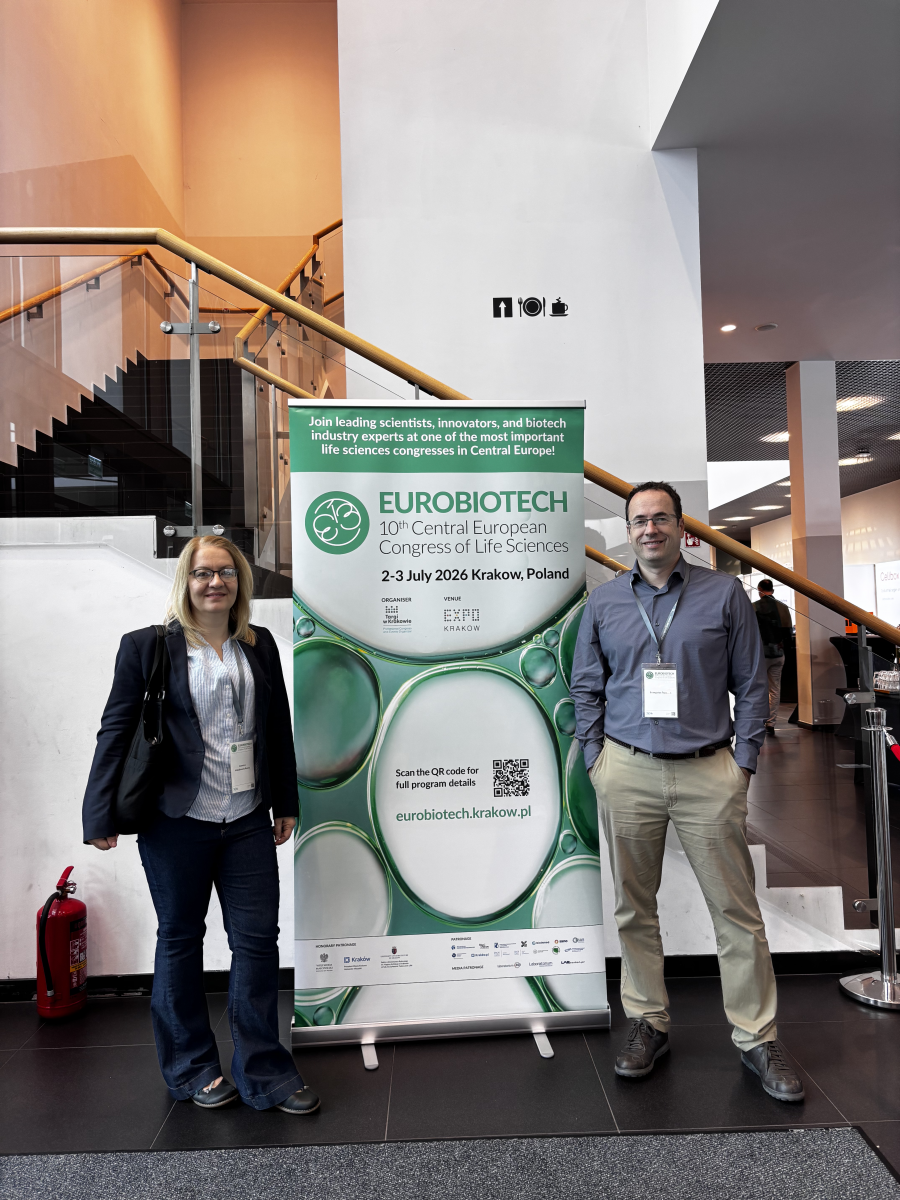
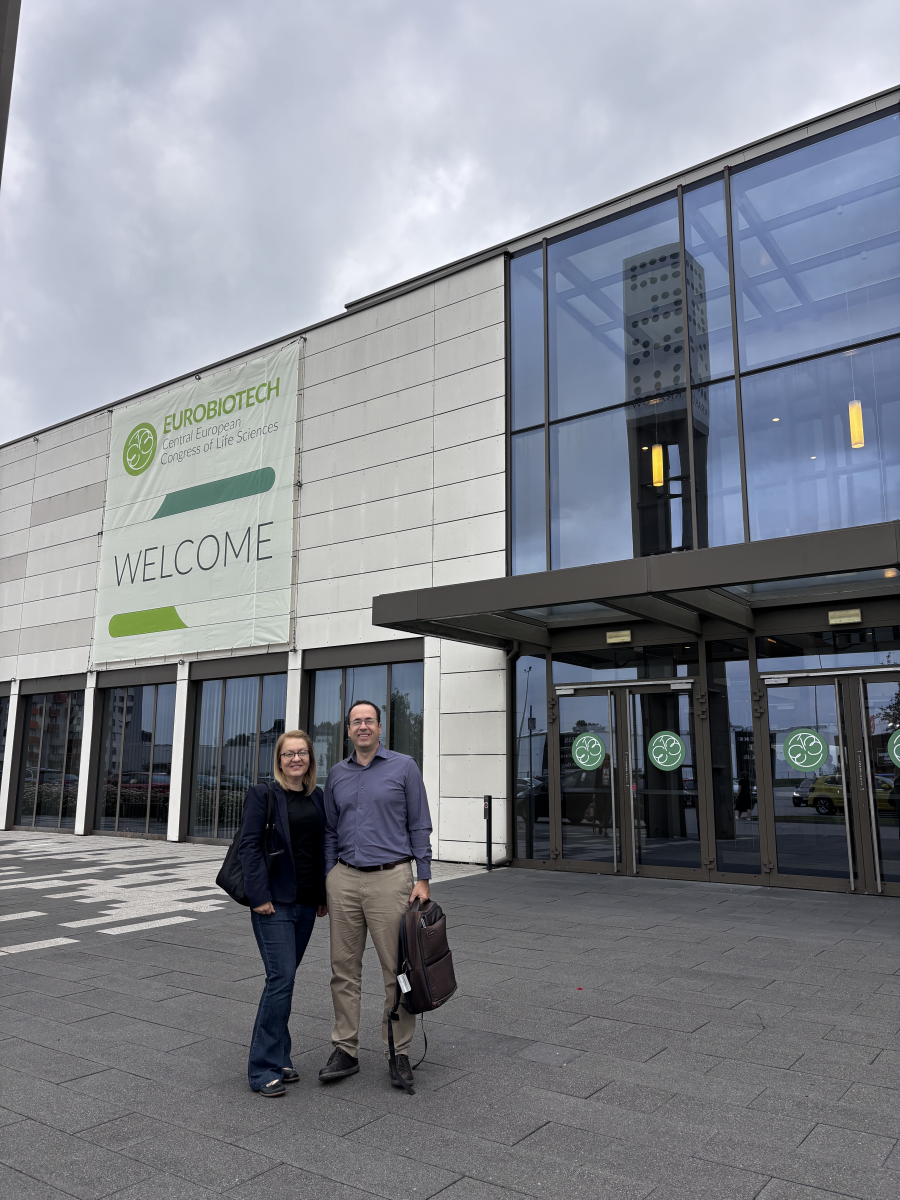
The TwInn4MicroUp project proudly participated in the 10th Central European Congress of Life Sciences EUROBIOTECH 2026, held on 2–3 July 2026 in Kraków, Poland. Celebrating its 10th anniversary, EUROBIOTECH brought together approximately 450 participants from academia, research institutes, and industry, creating an excellent environment for scientific exchange, networking, and interdisciplinary collaboration. The congress featured over 150 speakers across 47 parallel sessions, alongside five plenary lectures delivered by internationally recognized experts. Covering topics ranging from structural and computational biology to biotechnology, artificial intelligence, and industrial applications, EUROBIOTECH 2026 highlighted the latest scientific advances driving innovation in the life sciences.
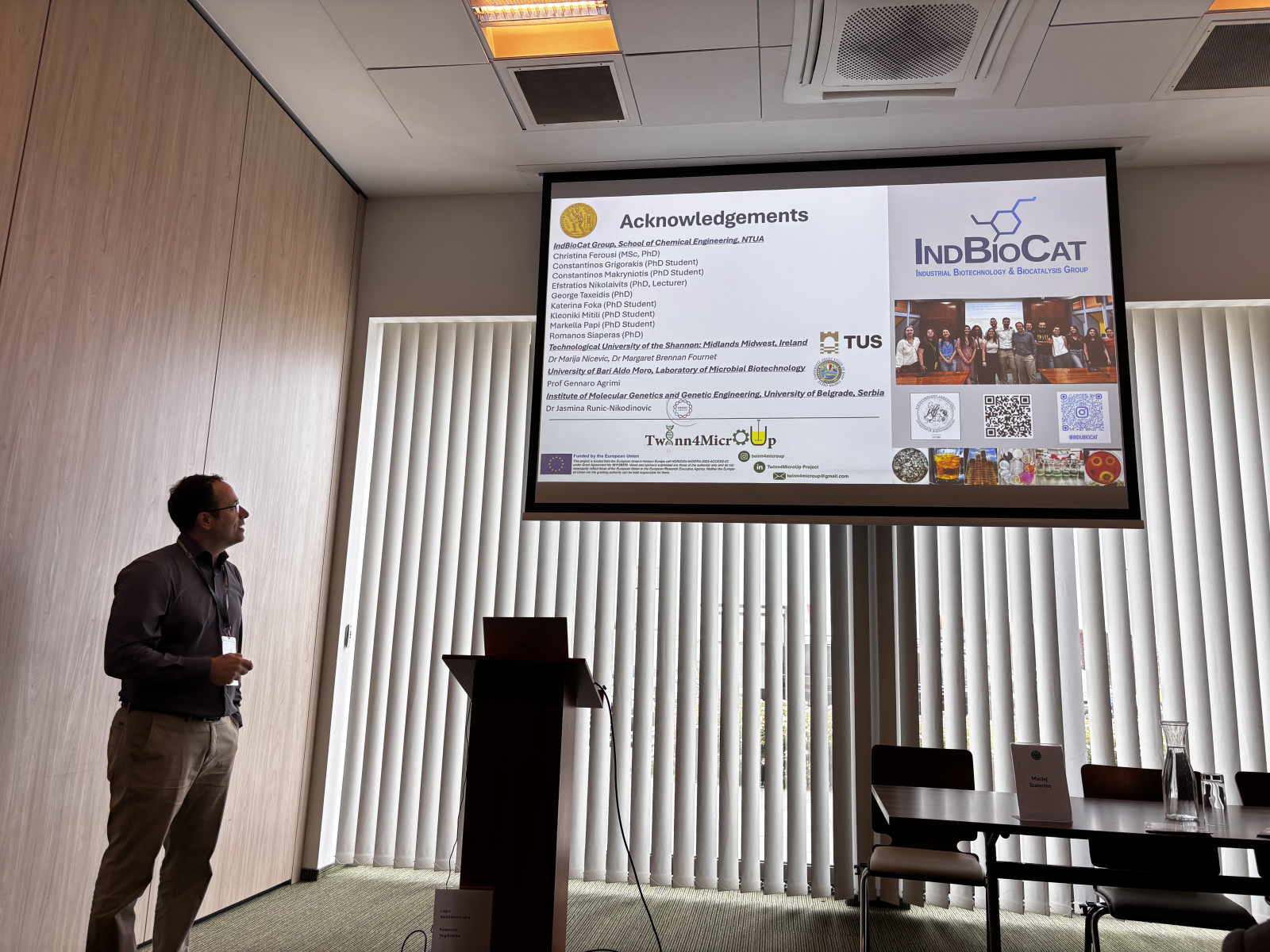
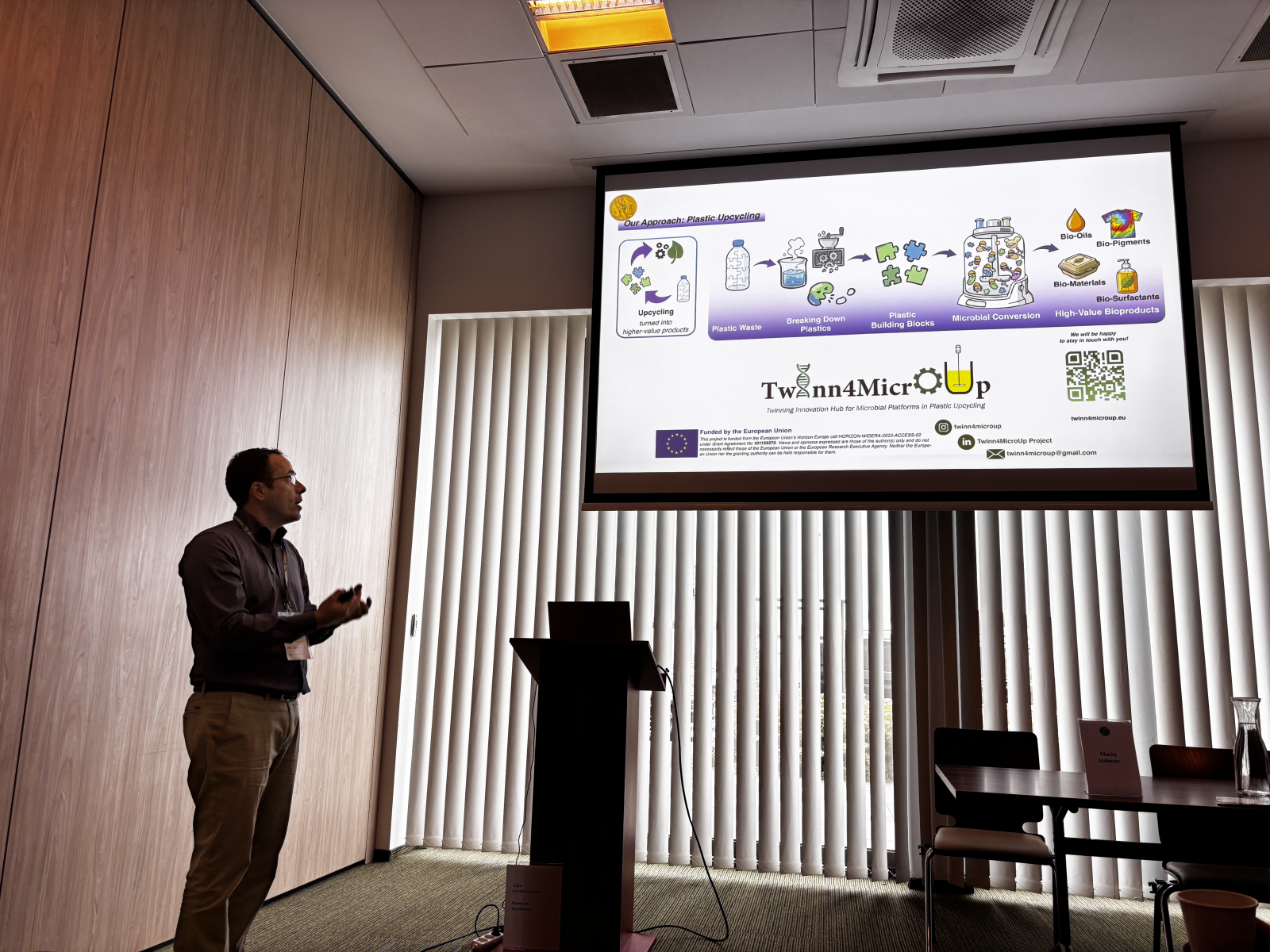
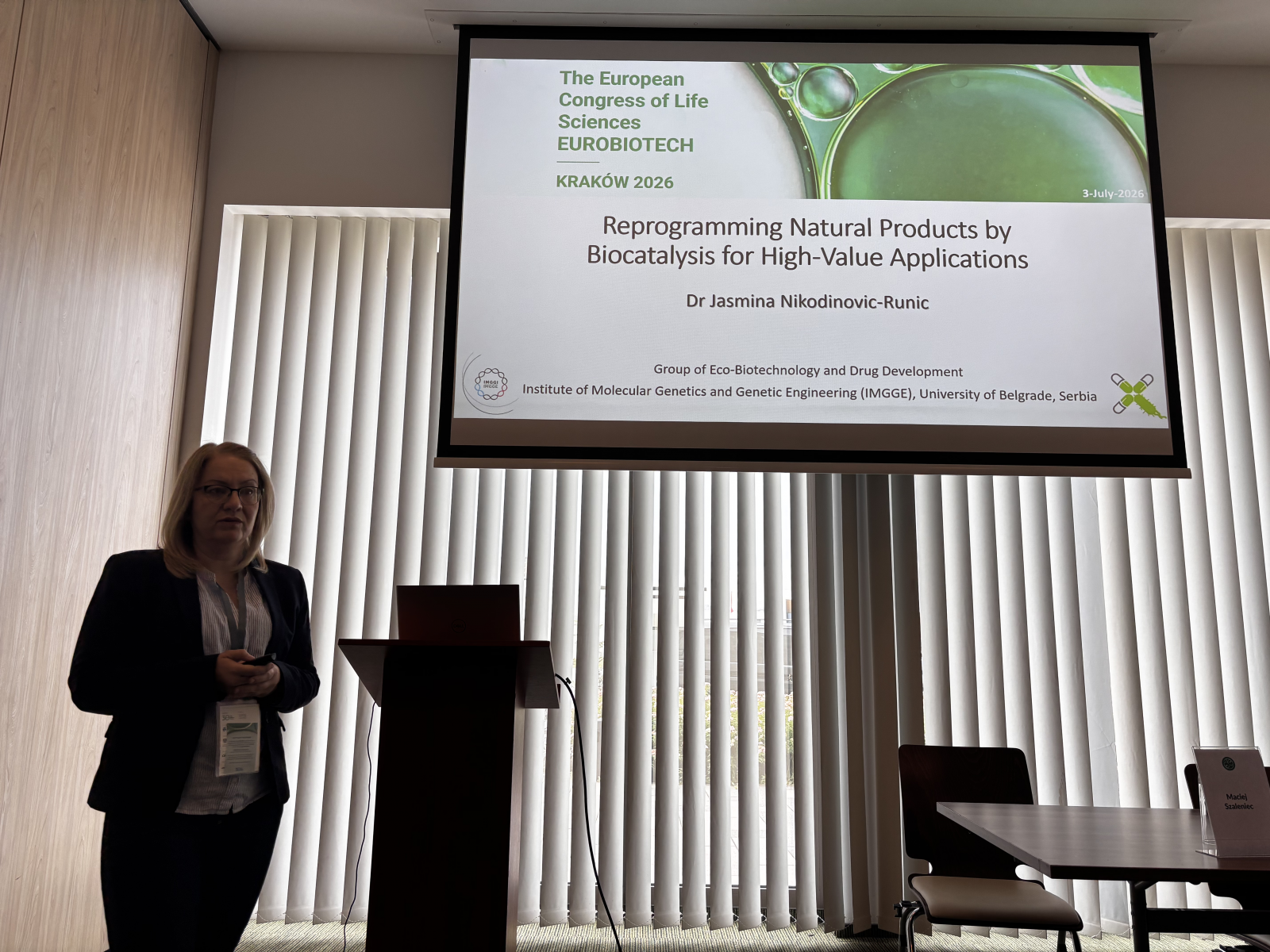
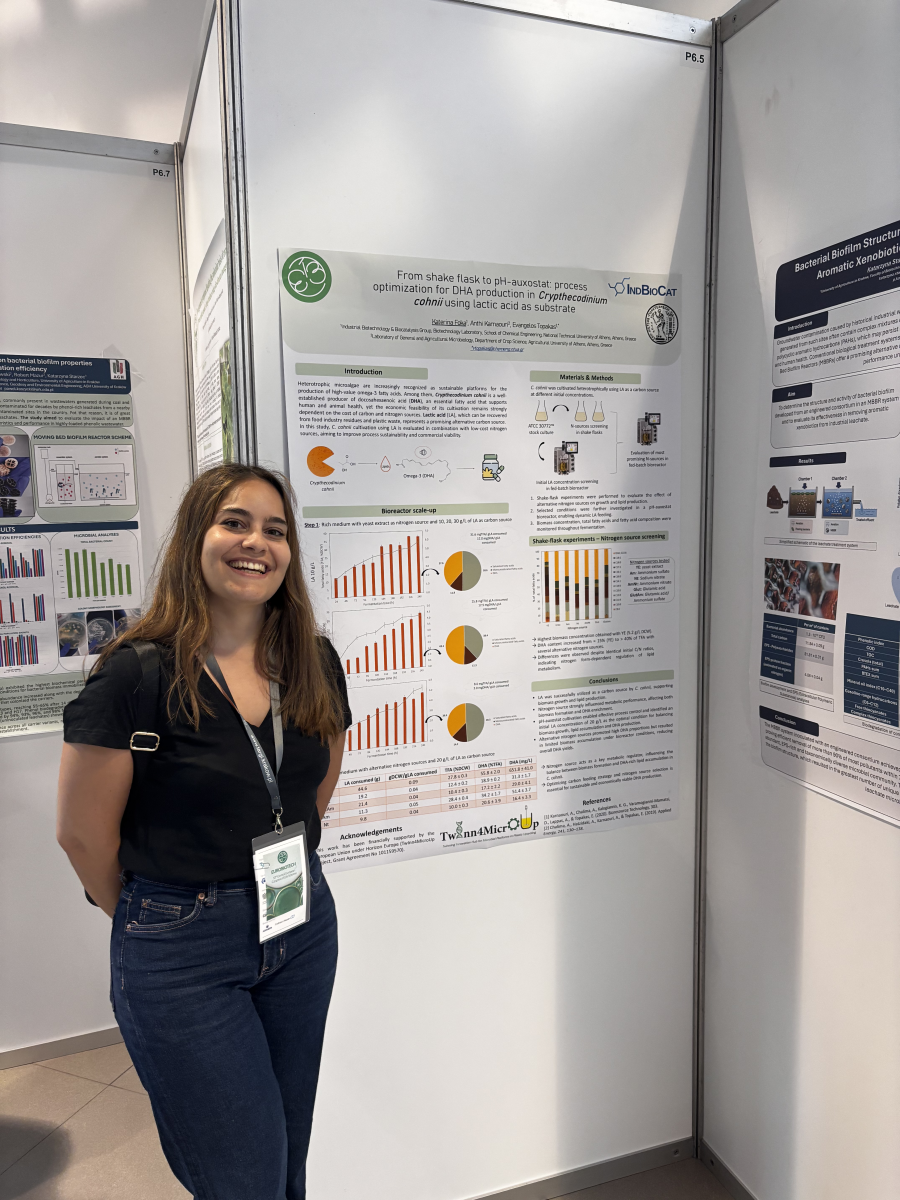
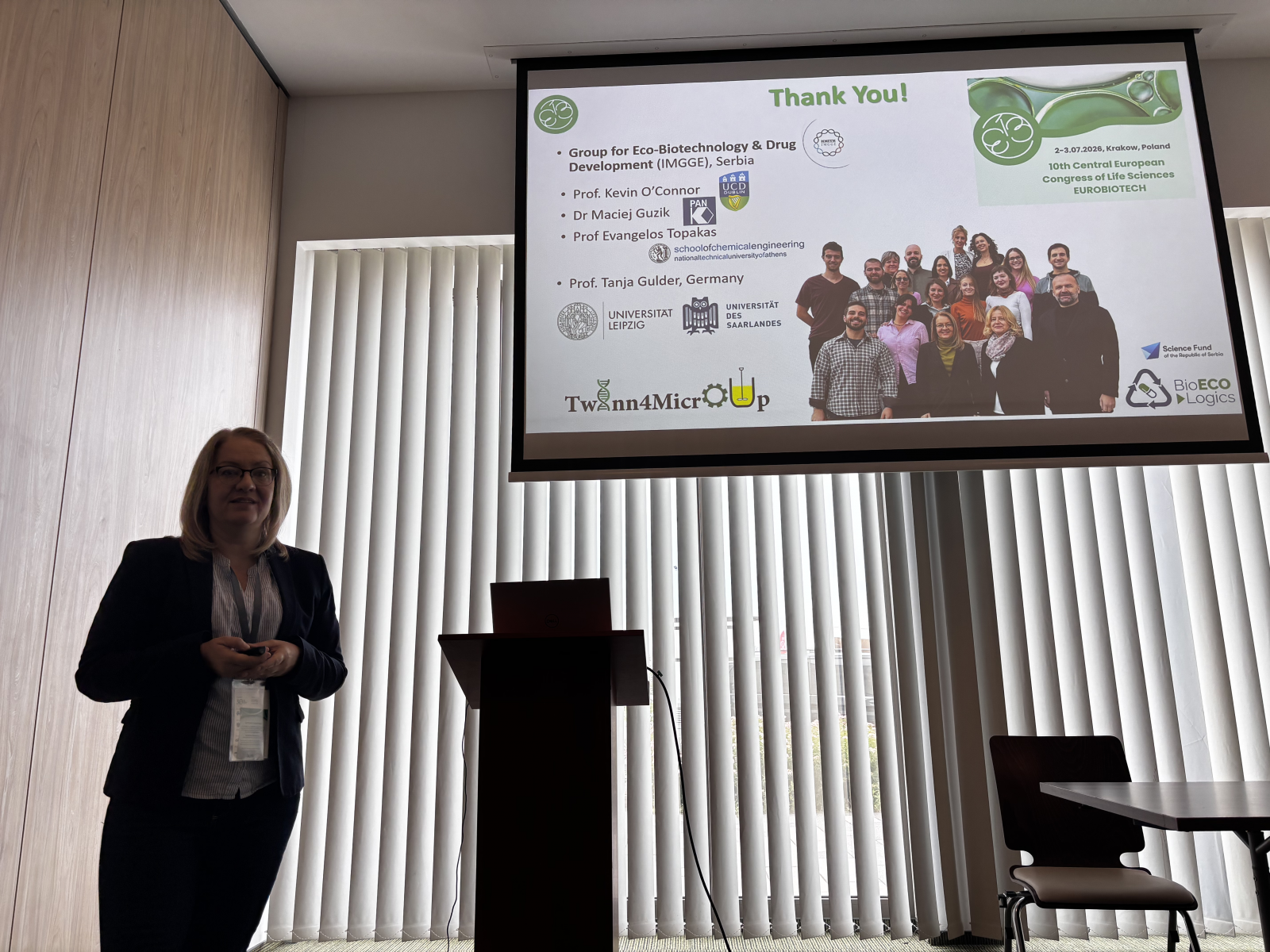
TwInn4MicroUp partners actively contributed to the scientific program through two oral presentations and one poster presentation, showcasing the project’s research on sustainable biotechnology and microbial bioprocesses. During Session 4: Protein Structure & Engineering – Biotransformations for Industrial Processes, Prof. E.Topakas (NTUA) presented “Chemoenzymatic Degradation of Synthetic Polyesters – From Novel Enzyme Discovery to Monomer Valorization”, demonstrating the project’s integrated strategy for plastic waste degradation through enzyme discovery, protein engineering, and microbial conversion of plastic-derived monomers into high-value bioproducts. Prof. J. Nikodinović-Runić (IMGGE) delivered the presentation “Reprogramming Natural Products by Biocatalysis for High-Value Applications”, highlighting innovative biocatalytic approaches for the sustainable modification of natural products to enhance their functionality for pharmaceutical and material applications. The project was further represented during the poster sessions by NTUA PhD student Katerina Foka, who presented “From Shake Flask to pH-Auxostat: Process Optimization for DHA Production in Crypthecodinium cohnii Using Lactic Acid as Substrate”. Her work explored sustainable cultivation strategies for microbial omega-3 fatty acid production through process optimization and the use of alternative, cost-effective substrates. Beyond presenting scientific results, EUROBIOTECH 2026 provided valuable opportunities to engage with researchers, biotechnology companies, and industry stakeholders from across Europe. These interactions strengthened the visibility of the TwInn4MicroUp project, promoted knowledge exchange, and opened new possibilities for future collaborations in the fields of biotechnology, biocatalysis, and circular bioeconomy.
Participation in EUROBIOTECH 2026 reflects TwInn4MicroUp’s ongoing commitment to disseminating project results, fostering international partnerships, and advancing innovative microbial technologies for the sustainable valorization of plastic waste.