Circular Opportunities on Display: TwInn4MicroUp Hosts the Circular Economy & Bioeconomy Festival at Researchers’ Night 2026
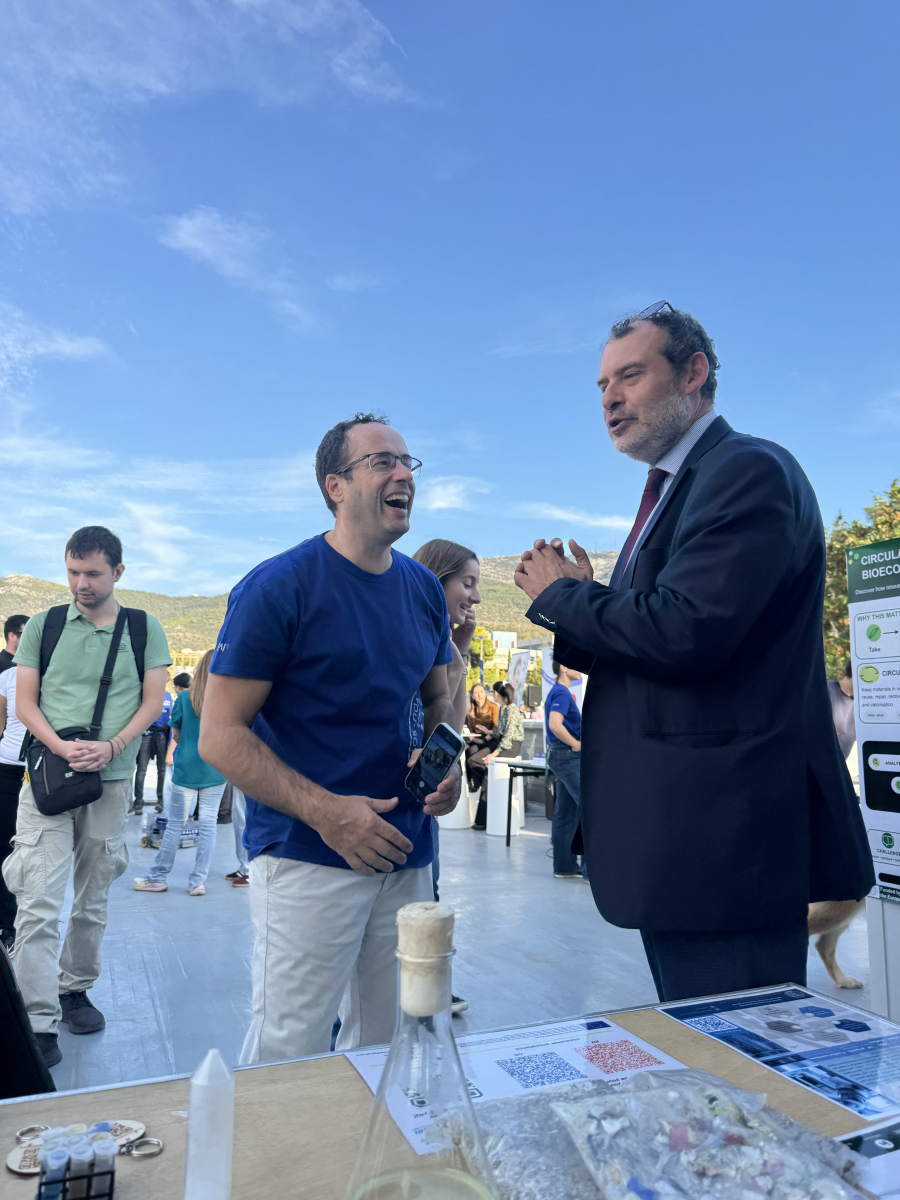
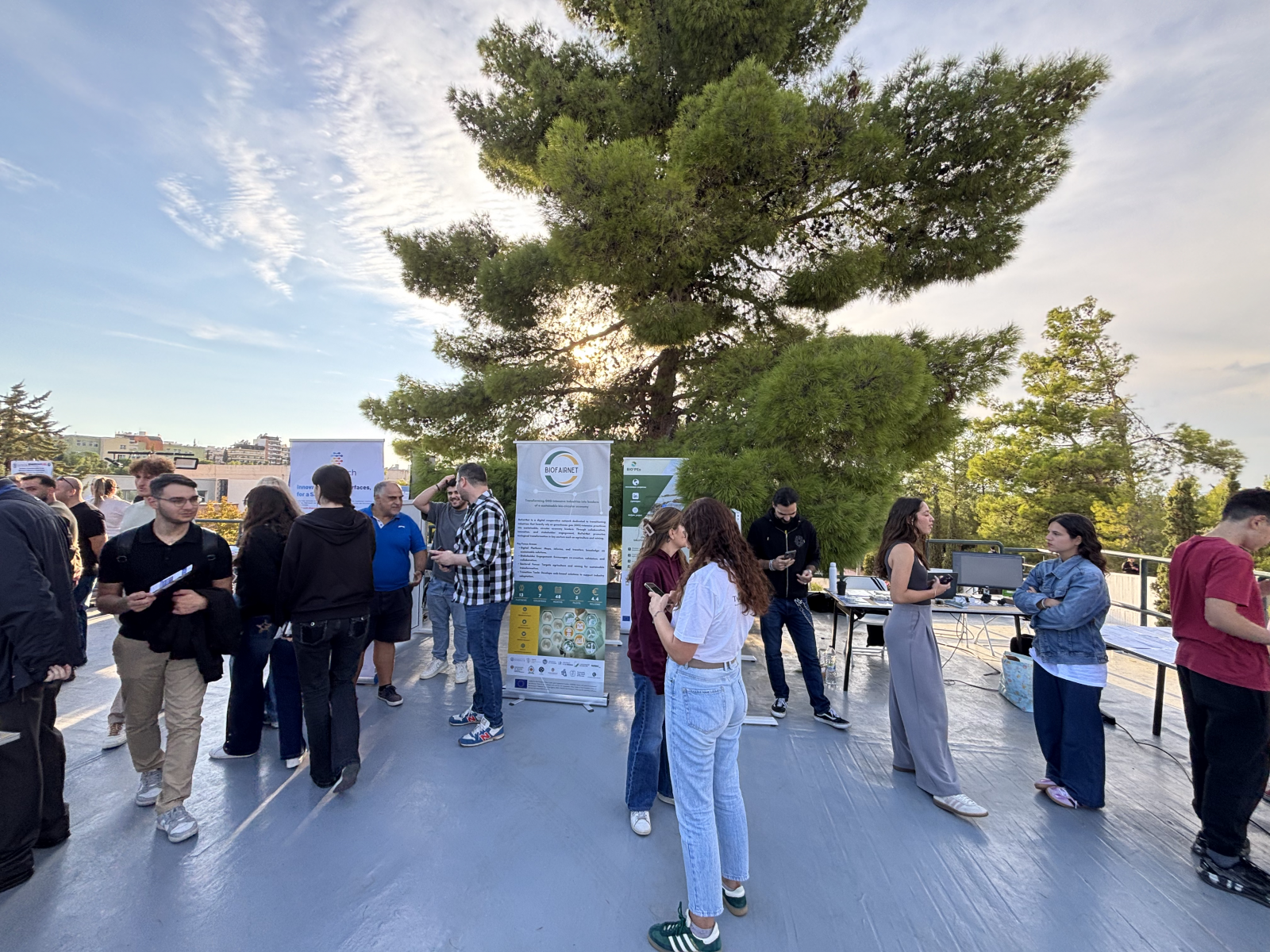
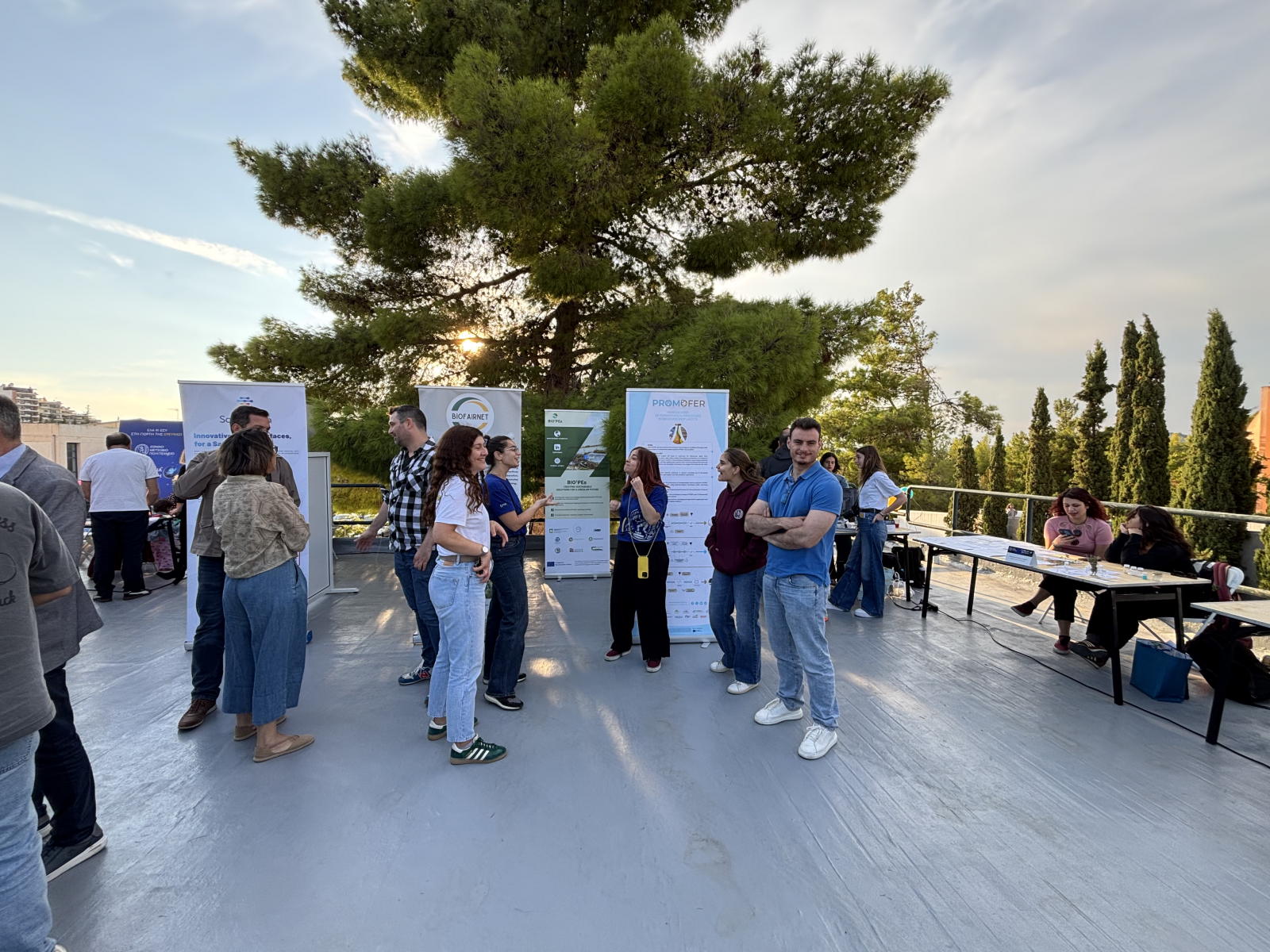
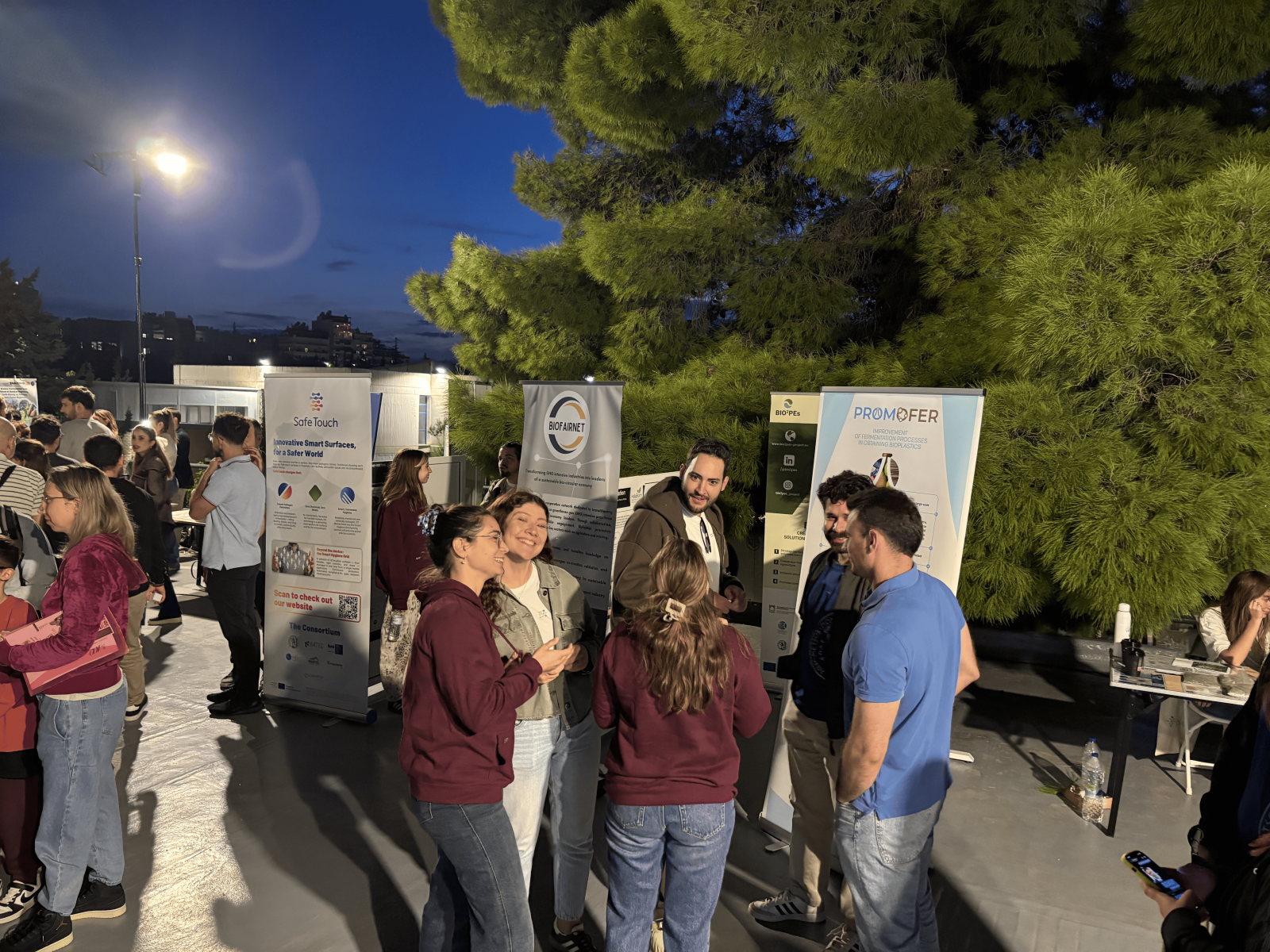
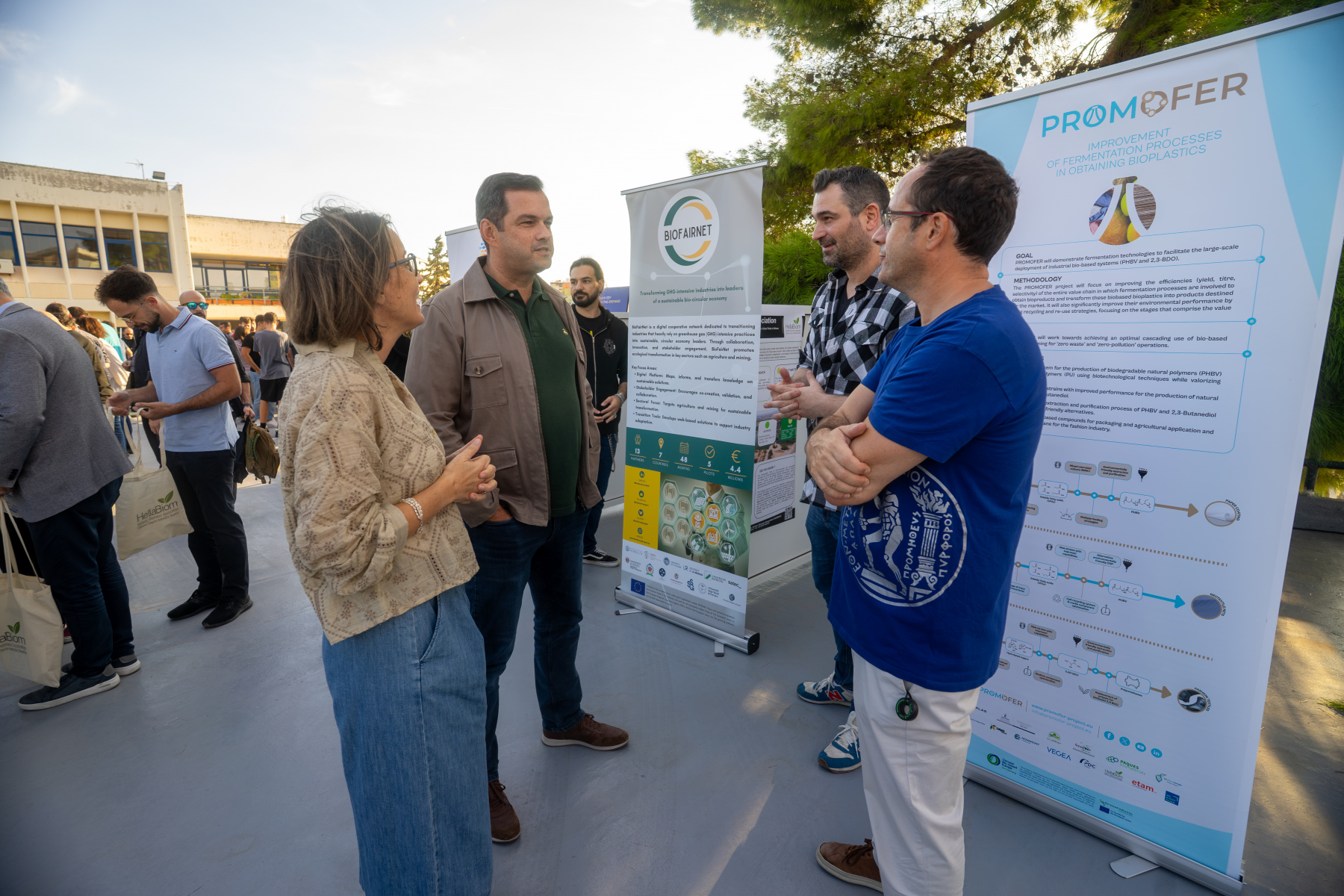
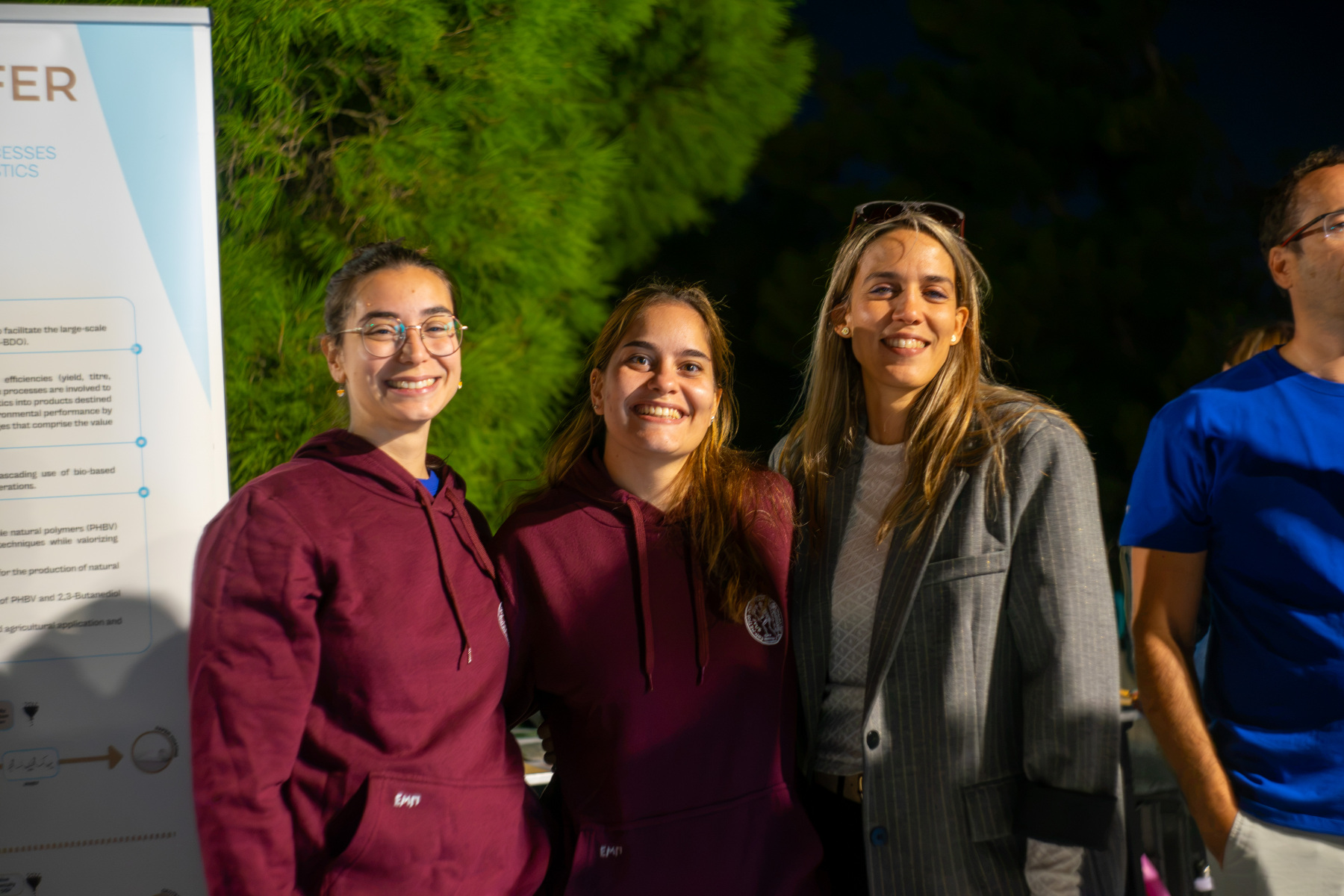
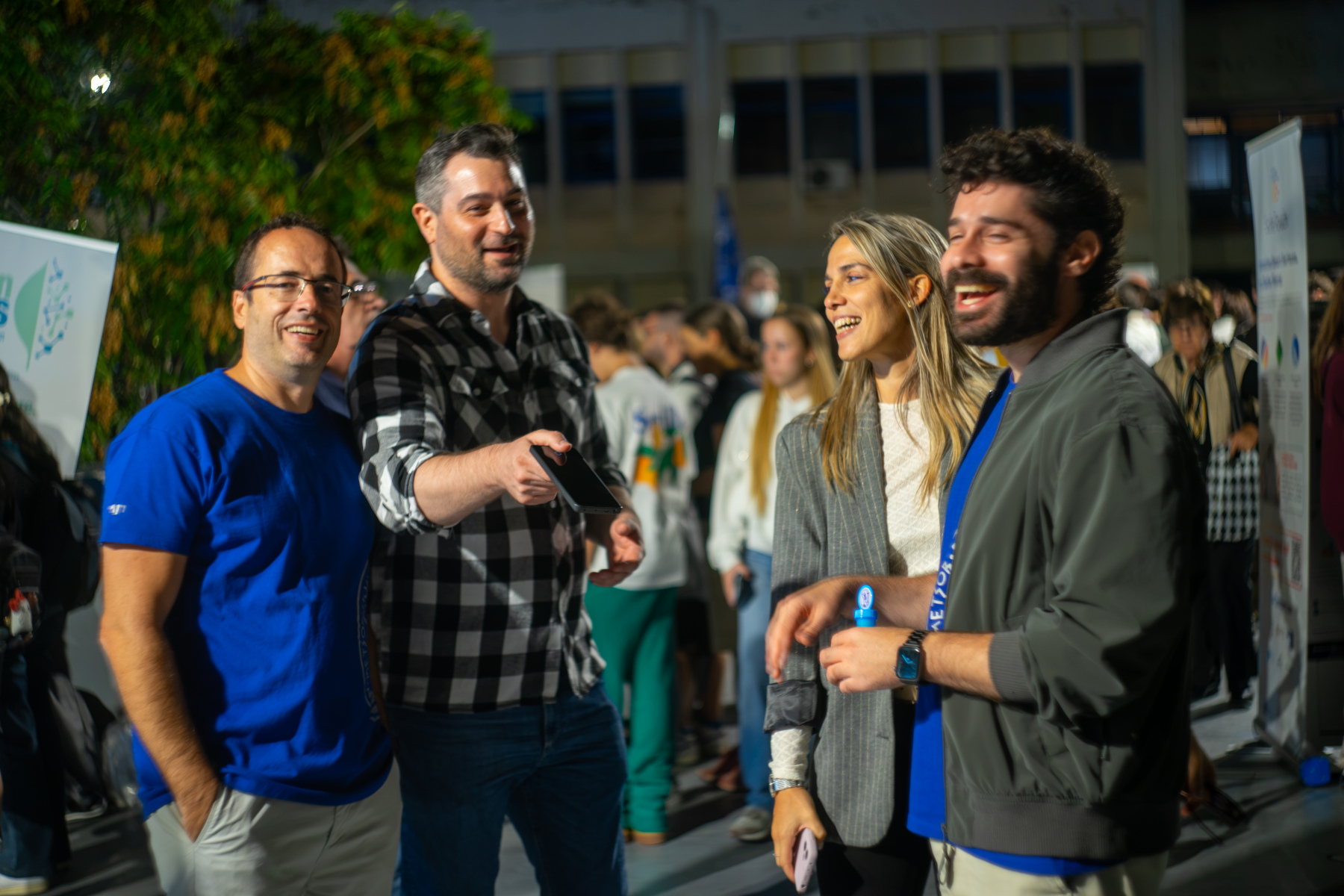
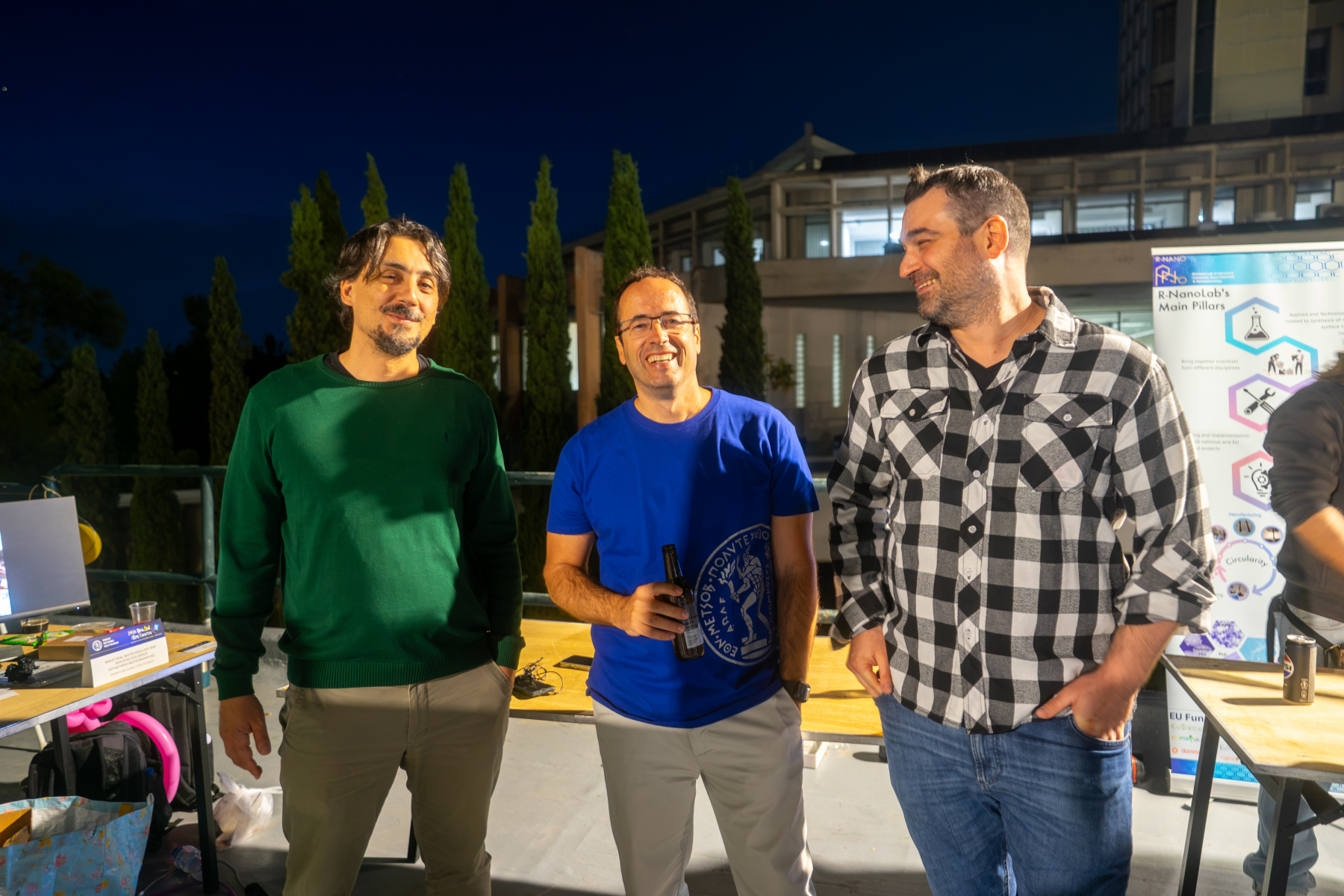
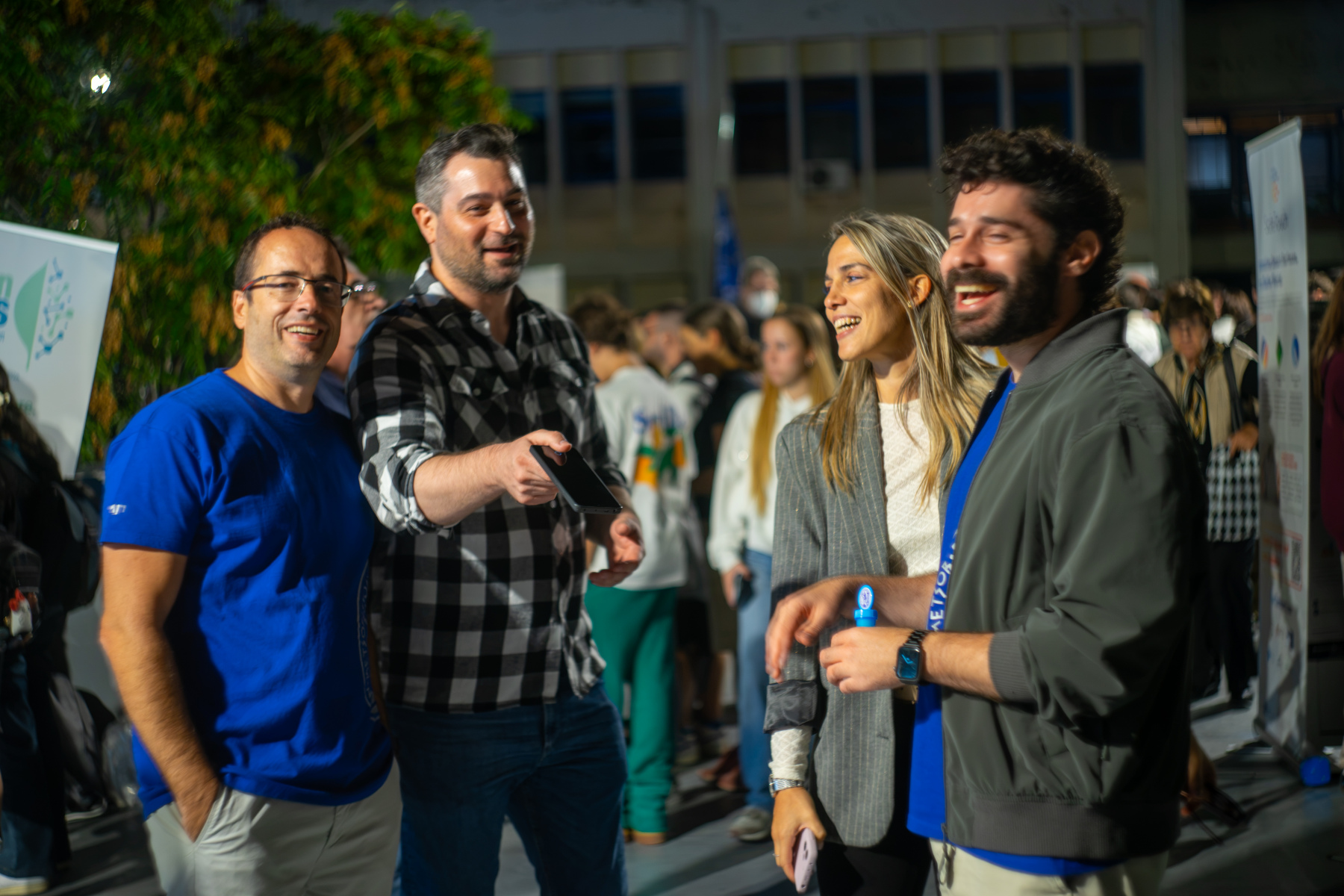
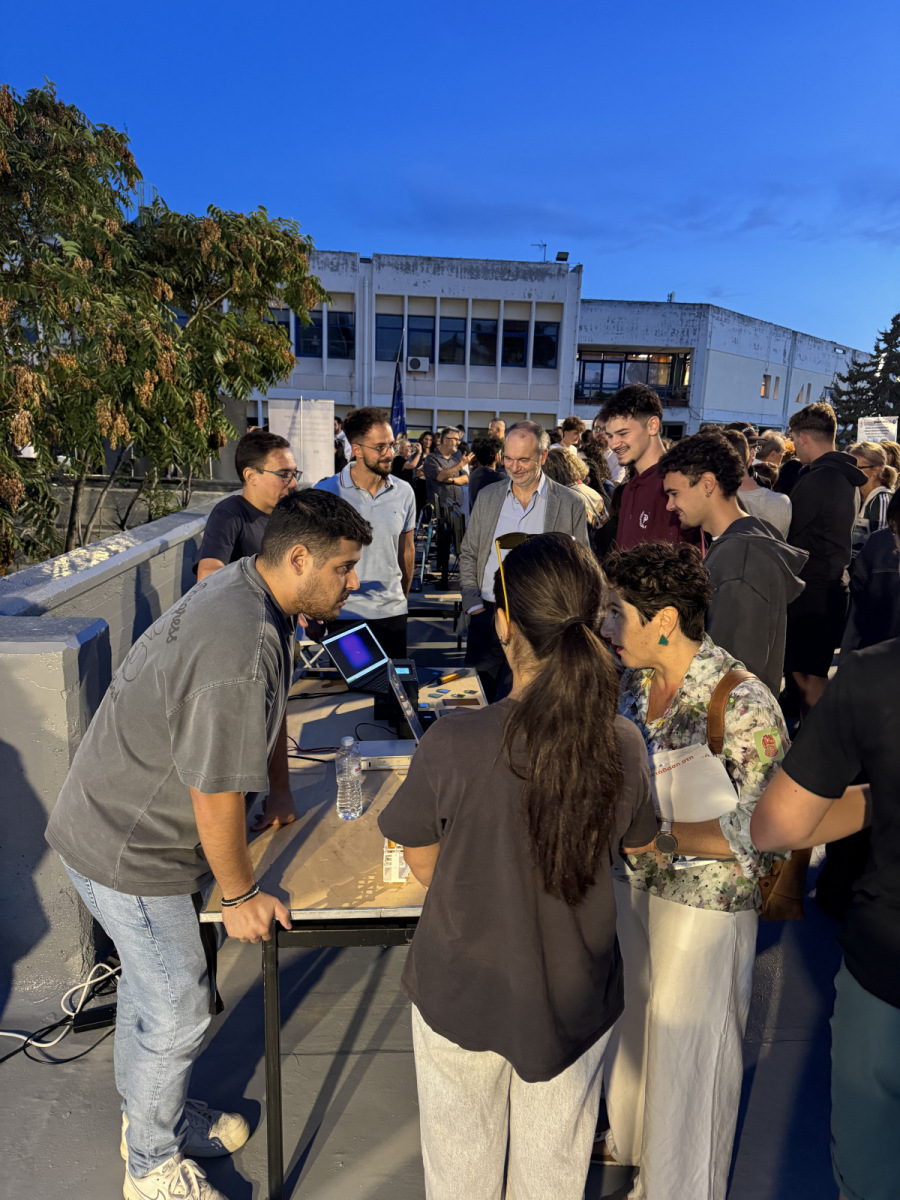
On 25 September 2026, the Circular Economy & Bioeconomy Festival (CEBF) transformed part of the open square of the NTUA Zografou Campus into a showcase of emerging circular technologies, sustainable value chains and market opportunities. Organised by TwInn4MicroUp within European Researchers’ Night 2026, the Festival was conceived not as a conventional scientific poster session, but as an open research–industry exhibition. Research teams presented their approaches through posters, roll-ups, physical samples, props and technology demonstrations, while visitors could move freely between exhibits and discuss applications, challenges and potential collaboration opportunities directly with the teams behind them.
The Festival brought together solutions spanning very different sectors, illustrating just how broad the circular economy and bioeconomy landscape has become.
Bio2PEs showcased the development of bio-based and biodegradable polymers from biomass waste, targeting applications including packaging and agricultural materials and supporting the transition towards a more circular plastics economy.
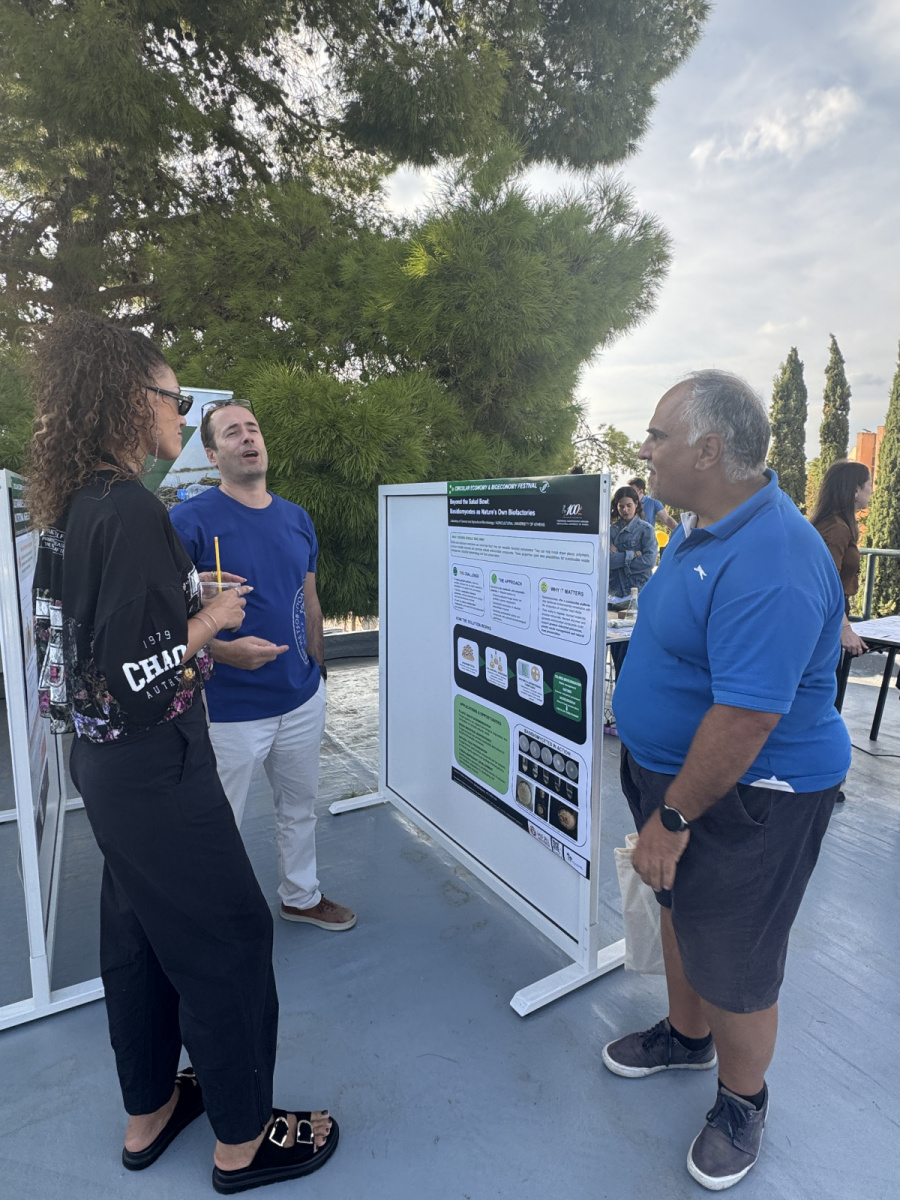
MycoVal demonstrated another route to circularity: using Basidiomycete fungi as microbial biofactories. The exhibit highlighted their potential to degrade synthetic polymers, produce useful extracellular enzymes and generate antimicrobial compounds, creating possible applications in plastic-waste bioremediation, industrial biotechnology and food preservation.
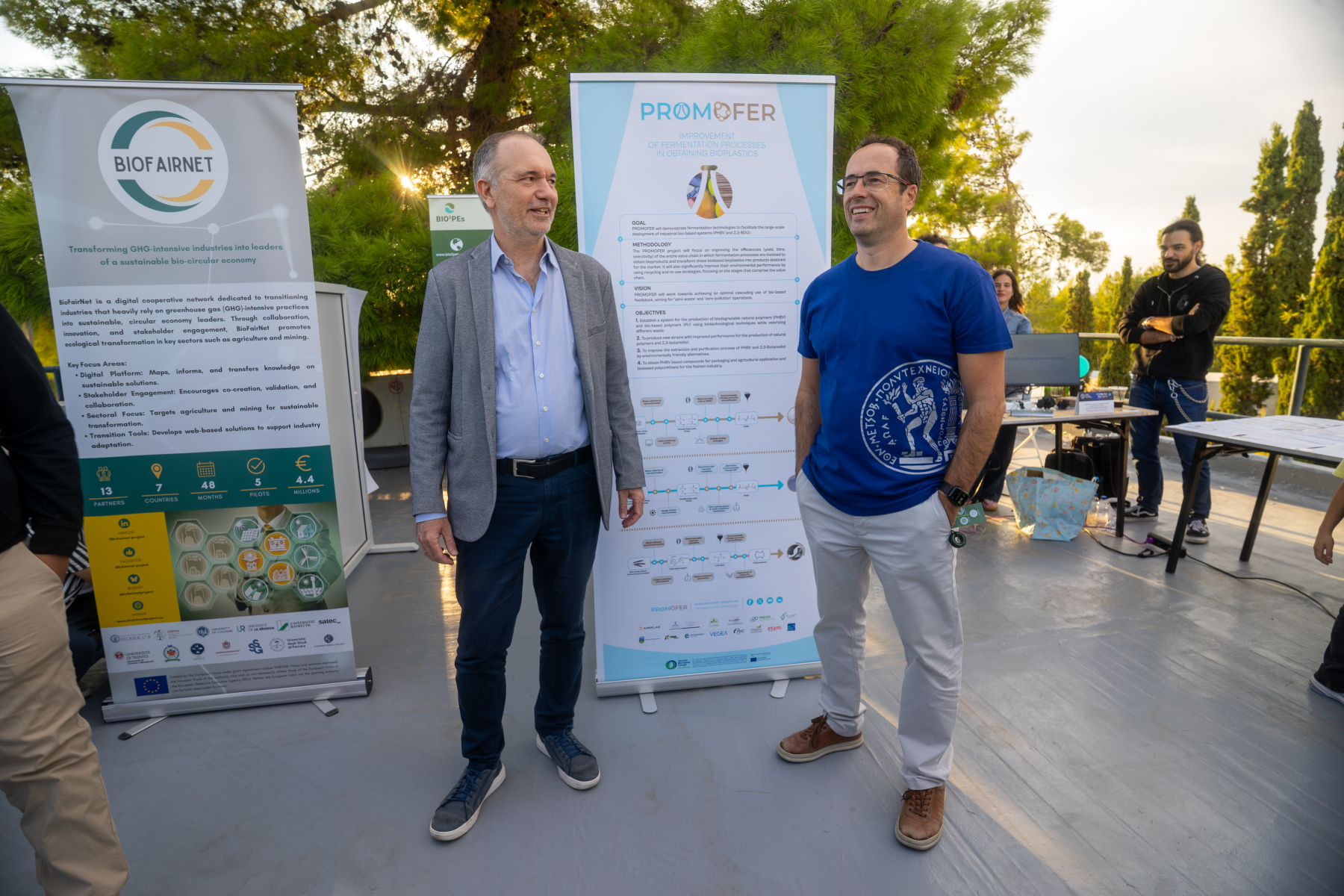
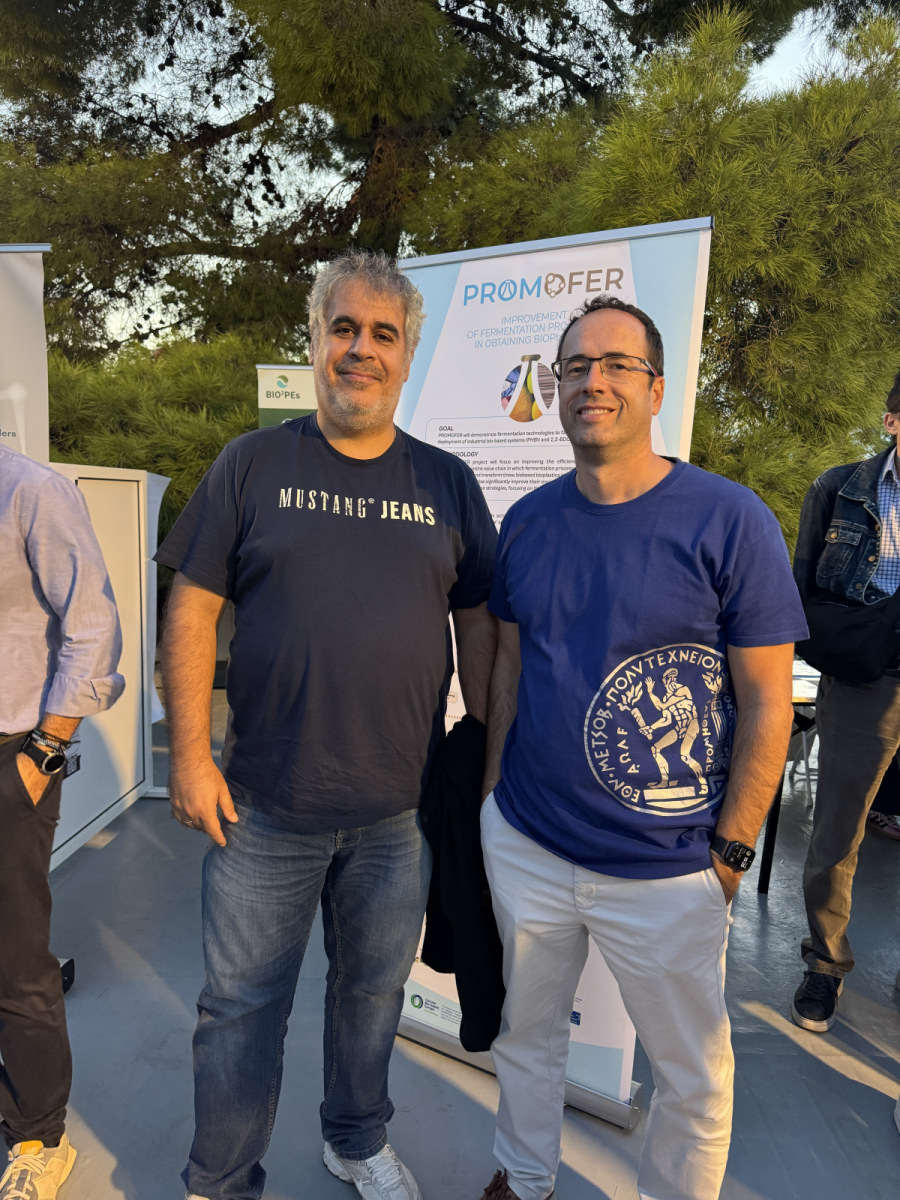
PROMOFER presented circular biorefinery routes that valorise lignocellulosic biomass and food-industry waste through fermentation and downstream processing, targeting high-value bio-based products such as PHBV and 2,3-butanediol-derived materials.
HellaBiom complemented this with a second, highly tangible circular pathway: the conversion of urban tree-pruning residues into biochar using mobile pyrolysis, followed by combination with compost to produce a soil amendment supporting soil restoration, water conservation and carbon sequestration.
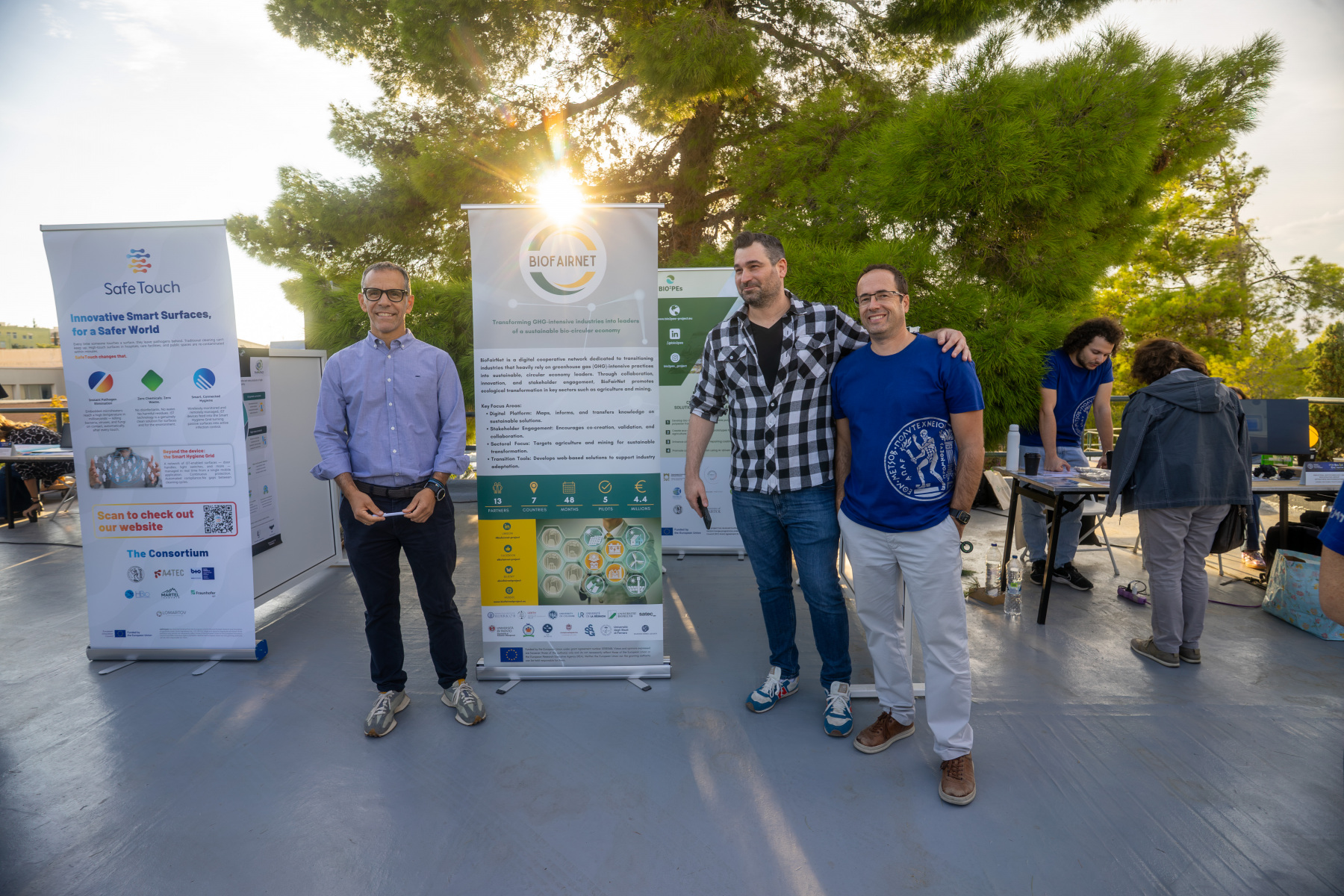
BioFairNet broadened the discussion from individual technologies to systemic transition, presenting approaches for helping the agriculture and mining sectors move towards fair and sustainable bio-circular models, supported by stakeholder co-creation, digital collaboration and circular innovation.
SafeTouch demonstrated how lower-impact innovation can also reshape everyday infrastructure. Its smart, self-decontaminating microfilms use ultrafast thermal activation to eliminate pathogens on high-touch surfaces, offering a chemical-free approach to surface hygiene designed for healthcare and public environments.
NeuroHEALTH presented the transition of psychotropic alkaloids from plants & mushrooms to neuroprotective agents, by the incorporation of computational tools for the development of novel therapeutics.
From research results to market opportunity
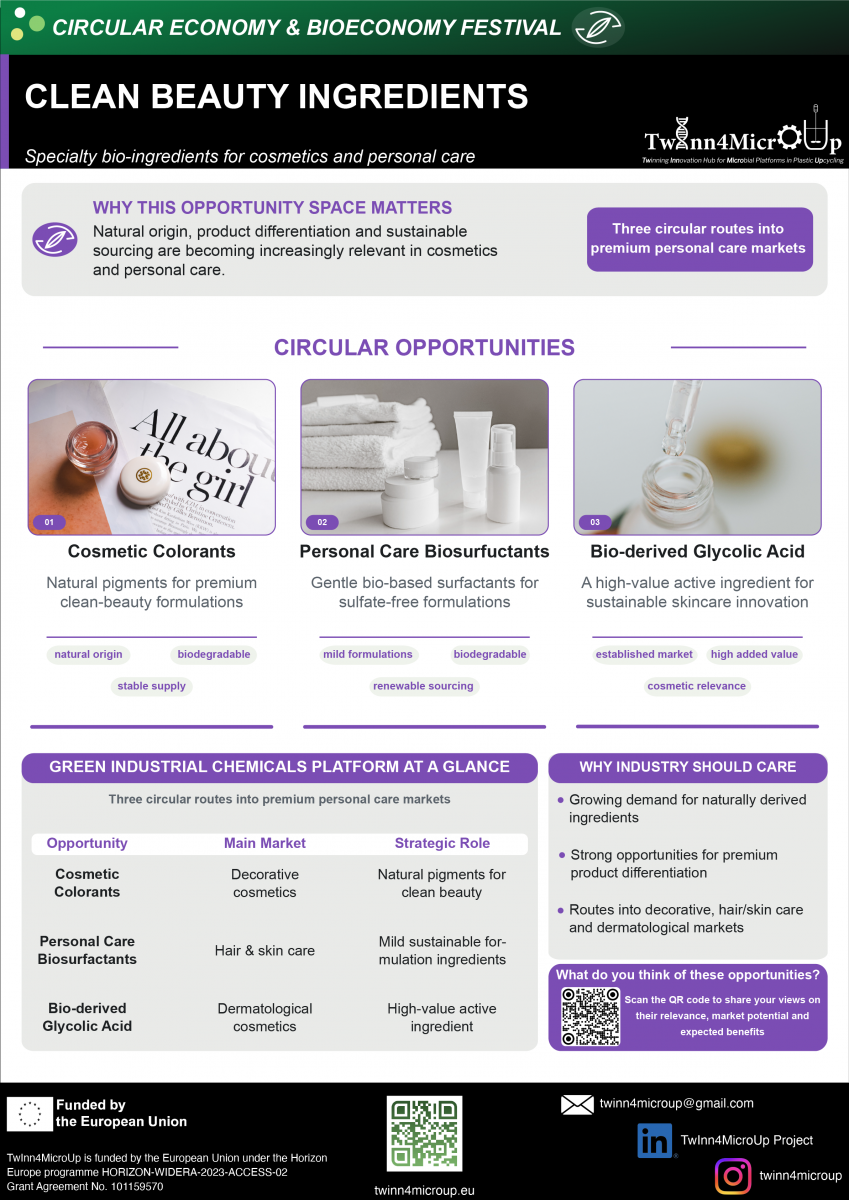
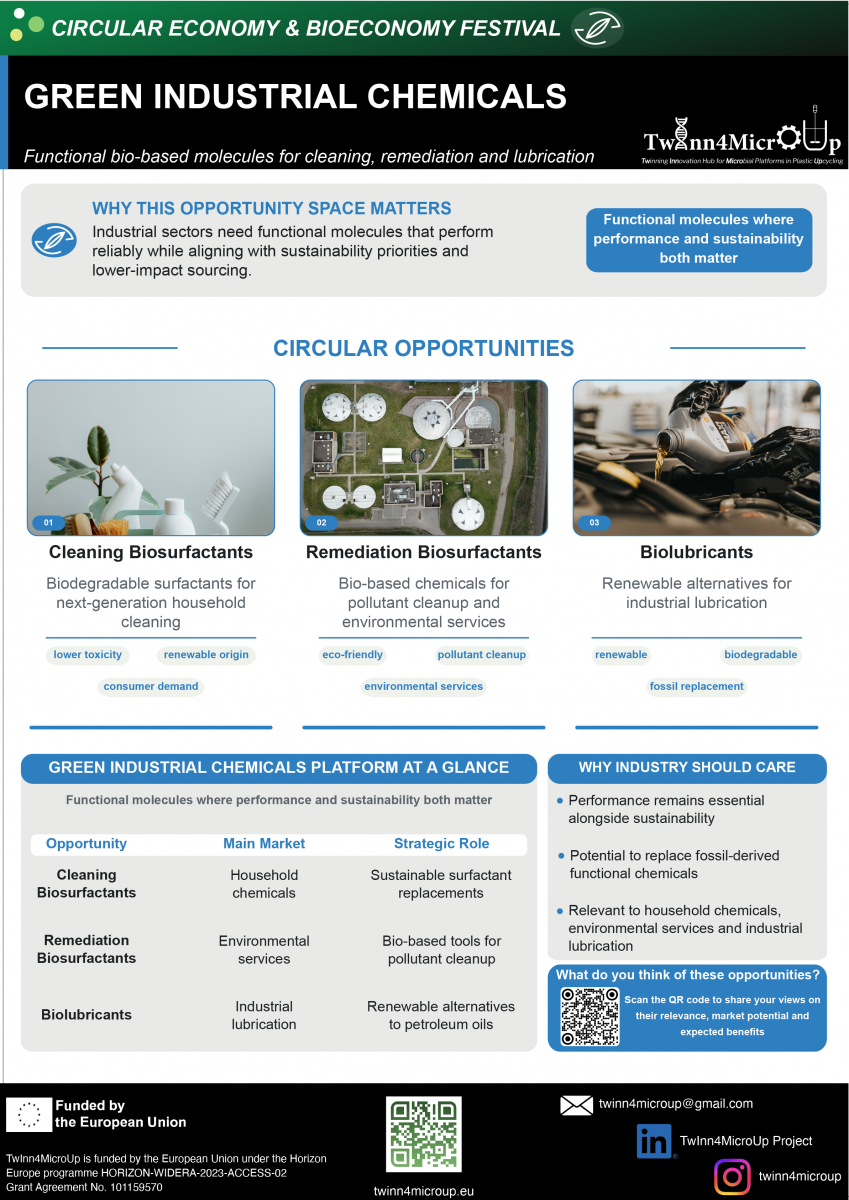
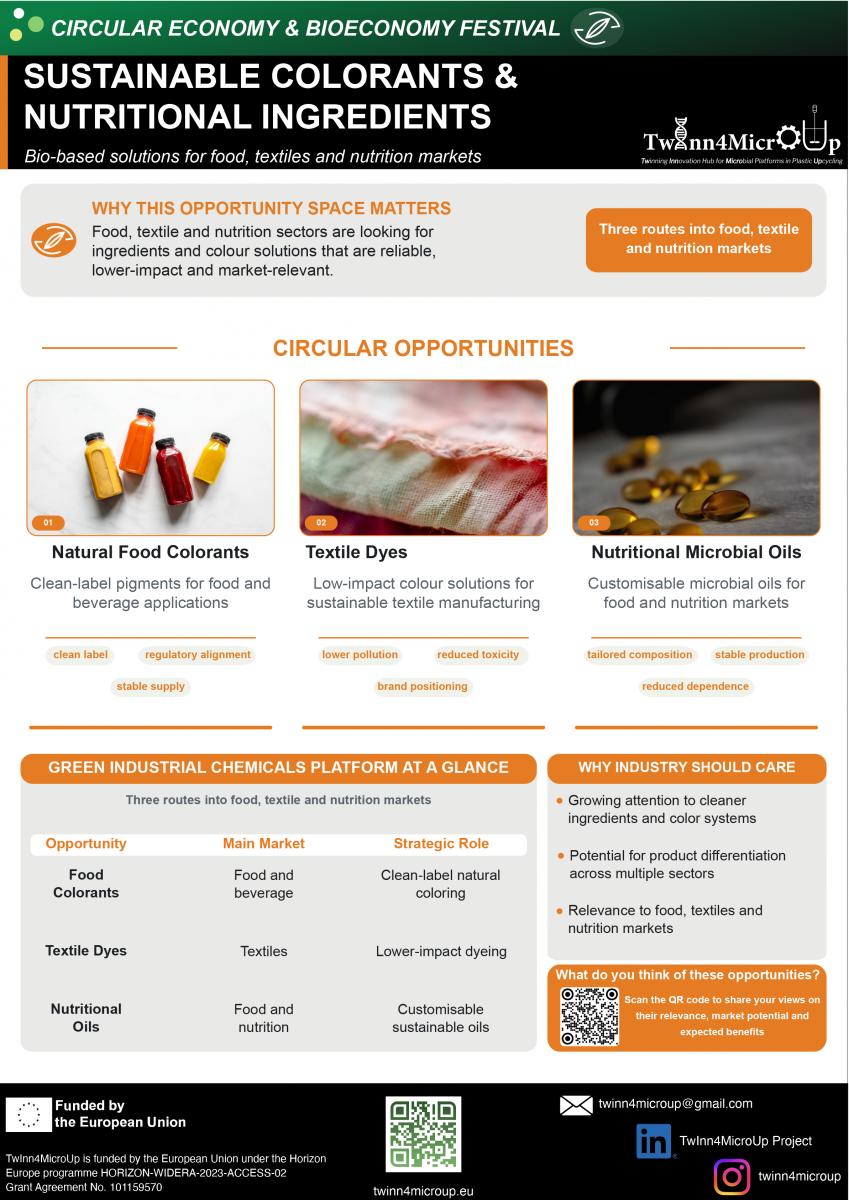
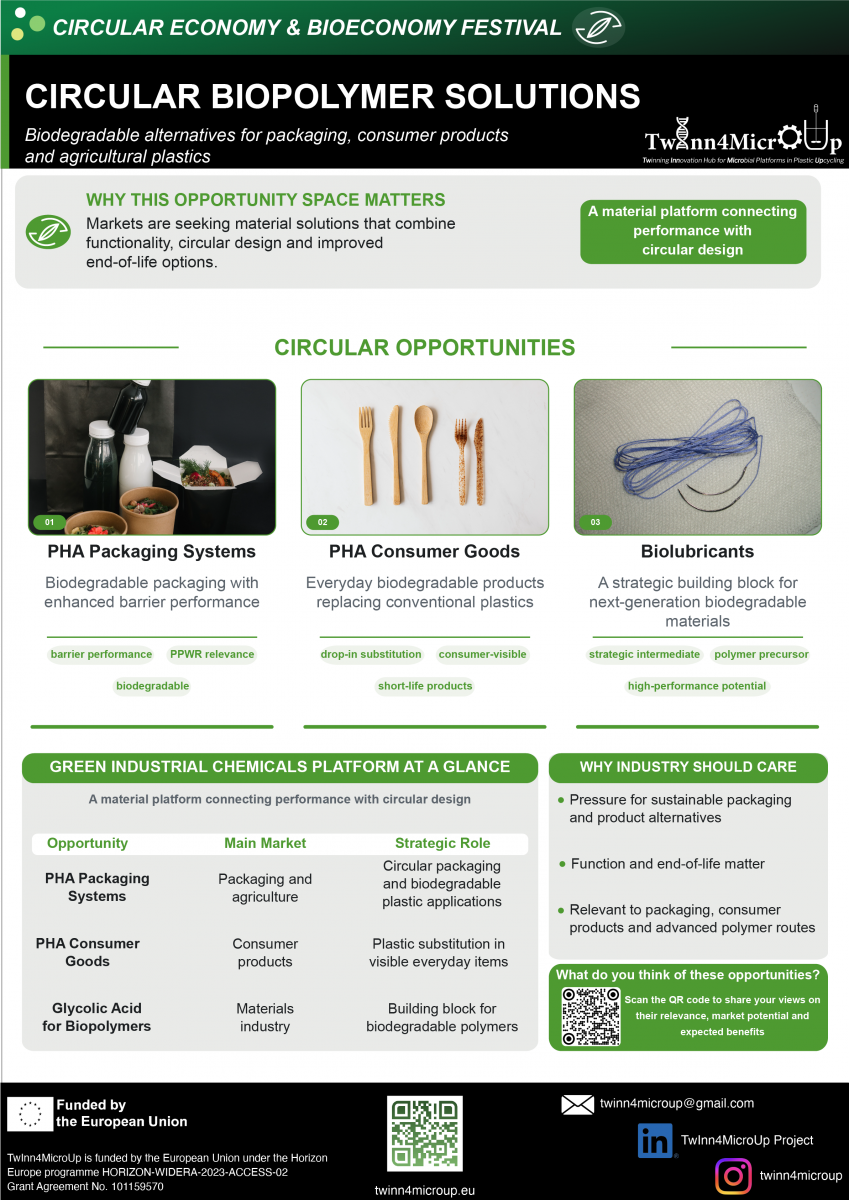
TwInn4MicroUp also used the Festival to present its own portfolio of four circular innovation platforms, developed to translate the project’s scientific and technological landscape into recognisable market opportunity spaces.
The Clean Beauty Ingredients platform explored bio-based ingredients for cosmetics and personal care; Circular Biopolymer Solutions focused on biodegradable materials and alternatives for packaging and consumer products; Green Industrial Chemicals brought together bio-based molecules for cleaning, remediation and lubrication; and Sustainable Colorants & Nutritional Ingredients examined opportunities in food, textiles and nutrition. Rather than presenting these simply as research outputs, the four platforms were designed to prompt discussion around market relevance, industrial needs, expected benefits and application potential. Visitors could also provide direct feedback through QR-enabled questionnaires embedded in the posters.
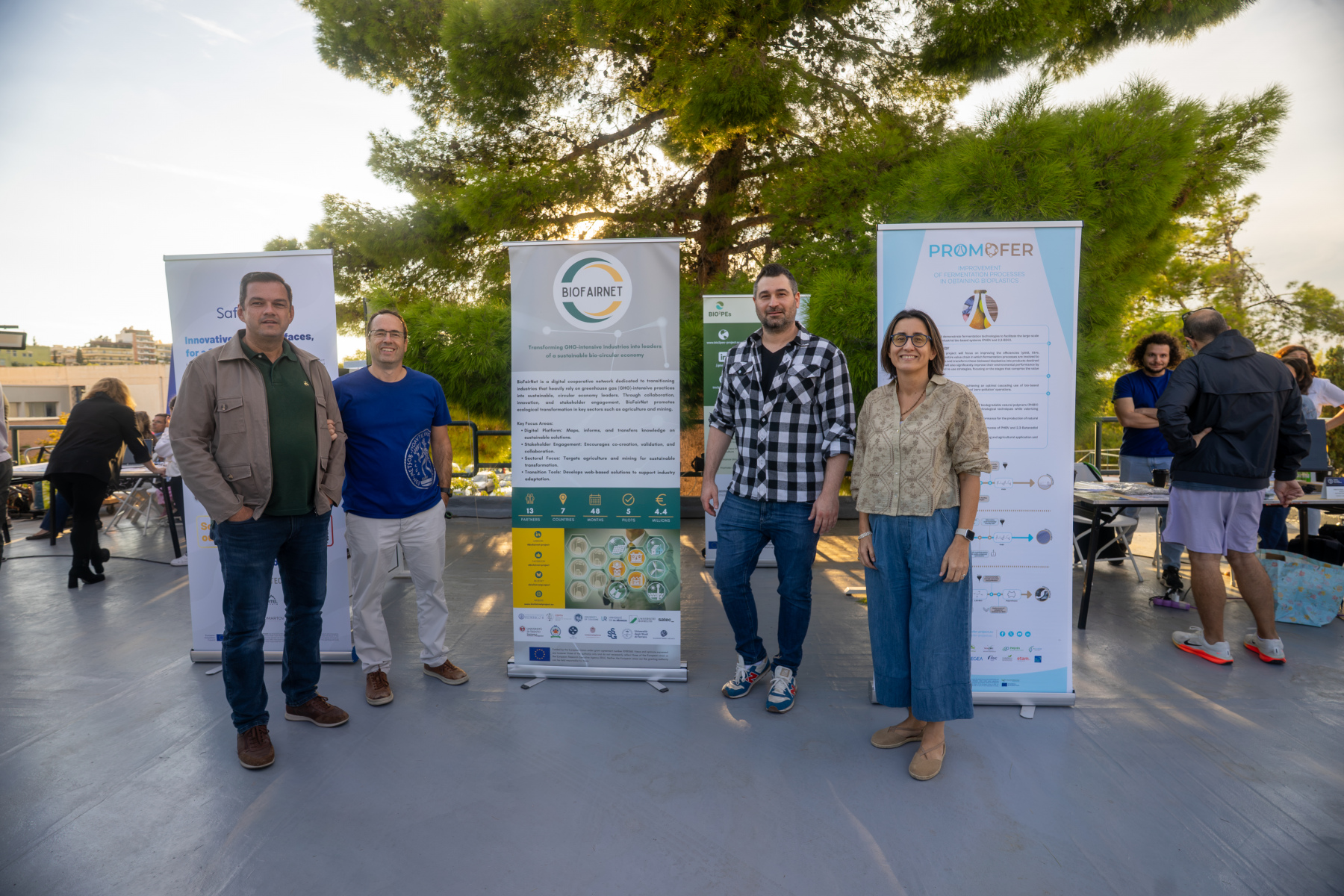
TwInn4MicroUp Coordinator Prof Evangelos Topakas, WP5 Leader and Dean of the NTUA School of Chemical Engineering Prof Aggelos Tsakanikas, Project Manager Dr Christina Ferousi, and project members Dr Christina Pentari and Dr P. Panagiotopoulos were present throughout the Festival to discuss the platforms and their potential relevance to industrial stakeholders.
Embedding the Festival within the much larger Researchers’ Night environment also created an unusual meeting point: a dedicated space for research–industry dialogue situated within an open European celebration of research. The result was a highly accessible setting in which circular ideas could move beyond project boundaries and be discussed as potential value chains, technologies and future applications.
The Circular Economy & Bioeconomy Festival forms part of TwInn4MicroUp’s broader effort to strengthen connections between research, innovation and industry and to support the development of new collaborations around circular and bio-based solutions.