
Summer School on Microbial Synthetic Biology
Tools, Pathways, and Applications for a Sustainable Future and plastic upcycling.
ABOUT THE SCHOOL
Microbial synthetic biology is transforming how we understand and redesign living systems. The summer school offers a focused introduction to its most exciting advances. Participants will explore microbial engineering for sustainability and medicine, genome mining and bioinformatics for discovering new biosynthetic pathways, and state-of-the-art CRISPR technologies for developing improved microbial strains.
The program also covers synthetic metabolic routes, synthetic genomes and their analysis, artificial cells, alongside a case study on plastic degradation and bio upcycling. Through lectures of internationally known experts and interactive sessions, attendees will gain both foundational knowledge and exposure to cutting edge tools shaping the future of biotechnology.
KEY THEMES
By combining lectures, interactive discussions, and knowledge transfer activities, the summer school will foster interdisciplinary collaboration and equip participants with the conceptual and practical tools to advance microbial biotechnology. The program is designed to attract a broad audience of early-career researchers, students, and professionals interested in synthetic biology, offering both foundational knowledge and exposure to cutting-edge developments.
SPEAKERS
Nick Wirckx
Group leader Microbial Catalysis
Forschungszentrum Jülich GmbH
Germany
Tilmann Weber
Professor for Natural Products Genome Mining
Department for Biotechnology and Biomedicine
Technical University of Denmark
Denmark
Enrico Orsi
Post Doctoral Researcher
Biotechnology Research Institute for the Green Transition (BRIGHT)
Technical University of Denmark
Denmark
Evgeniya Yuzbasheva
Director of Both Strands Ltd
Both Strands Ltd
United Kingdom
Tigran Yuzbashev
Project Leader at Rothamsted Research
Rothamsted Research
United Kingdom
Emiliano Altamura
Assistant Professor
Department of Chemistry
University of Bari "Aldo Moro"
Italy
Charles Boone
Professor - Molecular Genetics
Department of Molecular Genetics
University of Toronto
Canada
Practical Information
About
About the Summer School
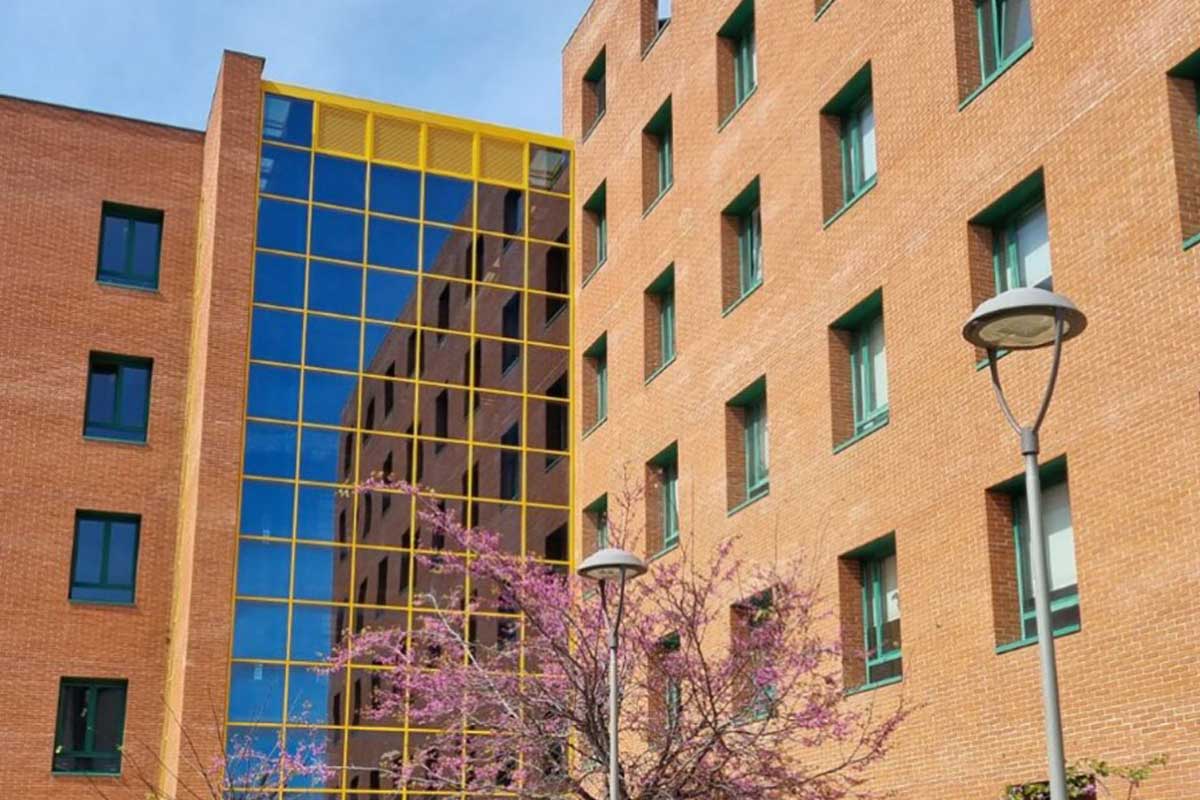
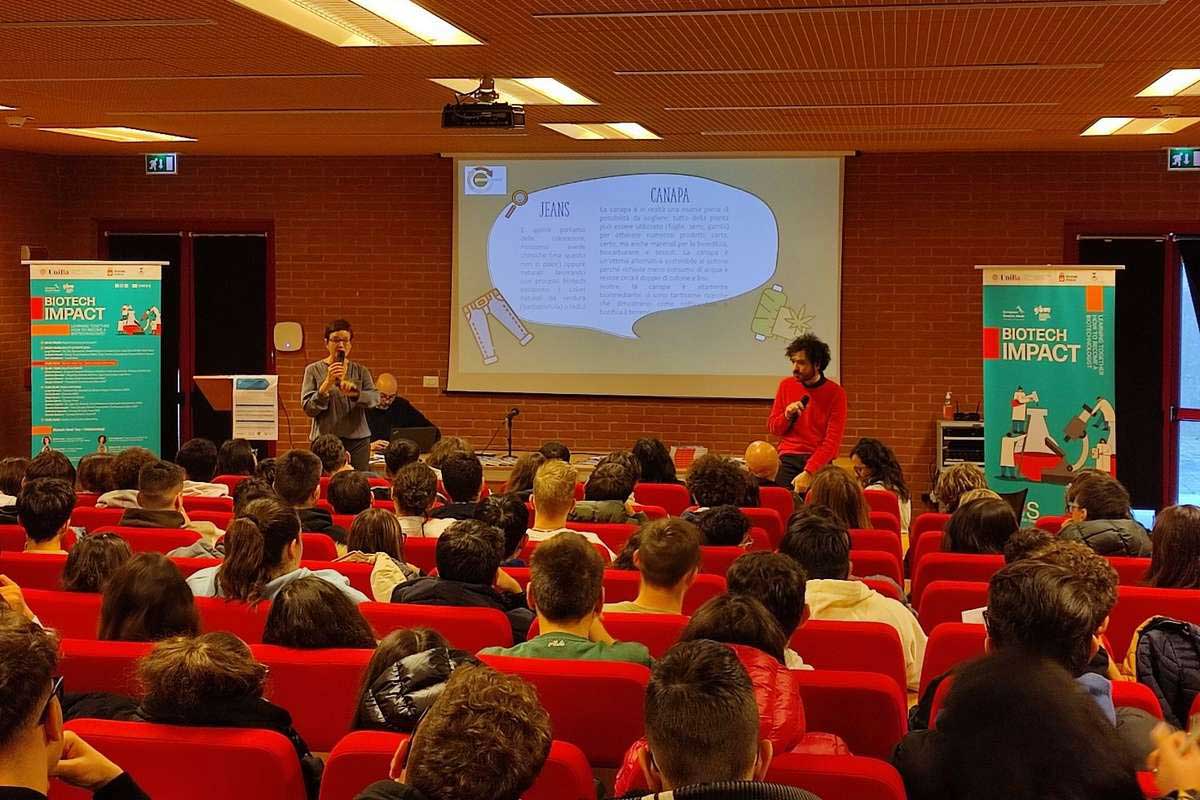
The school, organized within the framework of the Twinn4MicroUP project, is mainly aimed to PhD students and Junior Researchers and will take place in the Aula Magna of the University of Bari, at the Department of Biosciences, Biotechnologies and Environment, from June 17th to June 19th, spanning three full days.
Fees
Registration Fee
The registration fee is €300 (reduced to €200 for EU widening countries) and includes three coffee breaks, three lunches, two dinners, a guided walking tour of Old Bari, and all school materials.
Registration Link
Register Here
Registration is carried out through a website managed by the communication agency Lofino and Partners.

Visit Bari
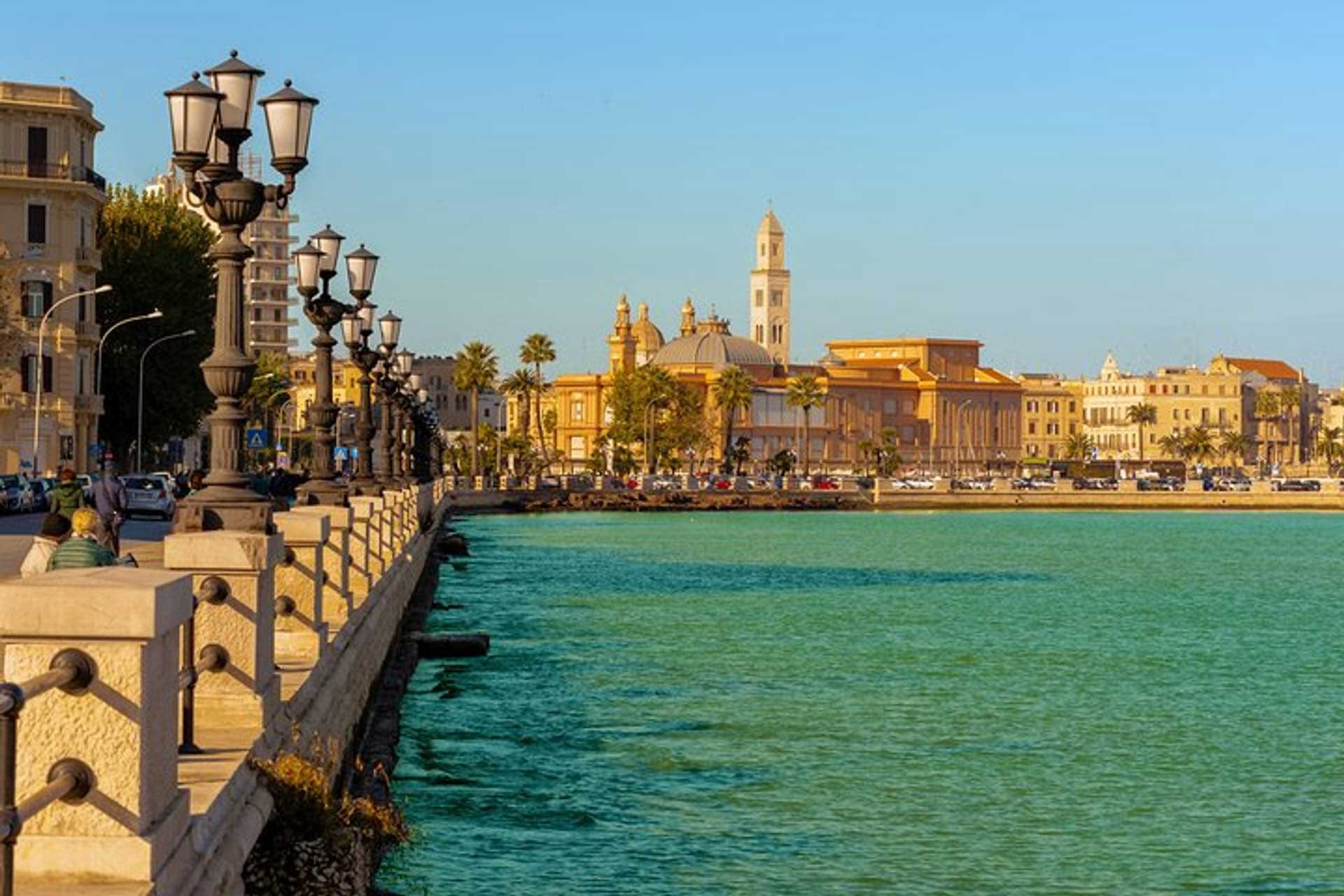
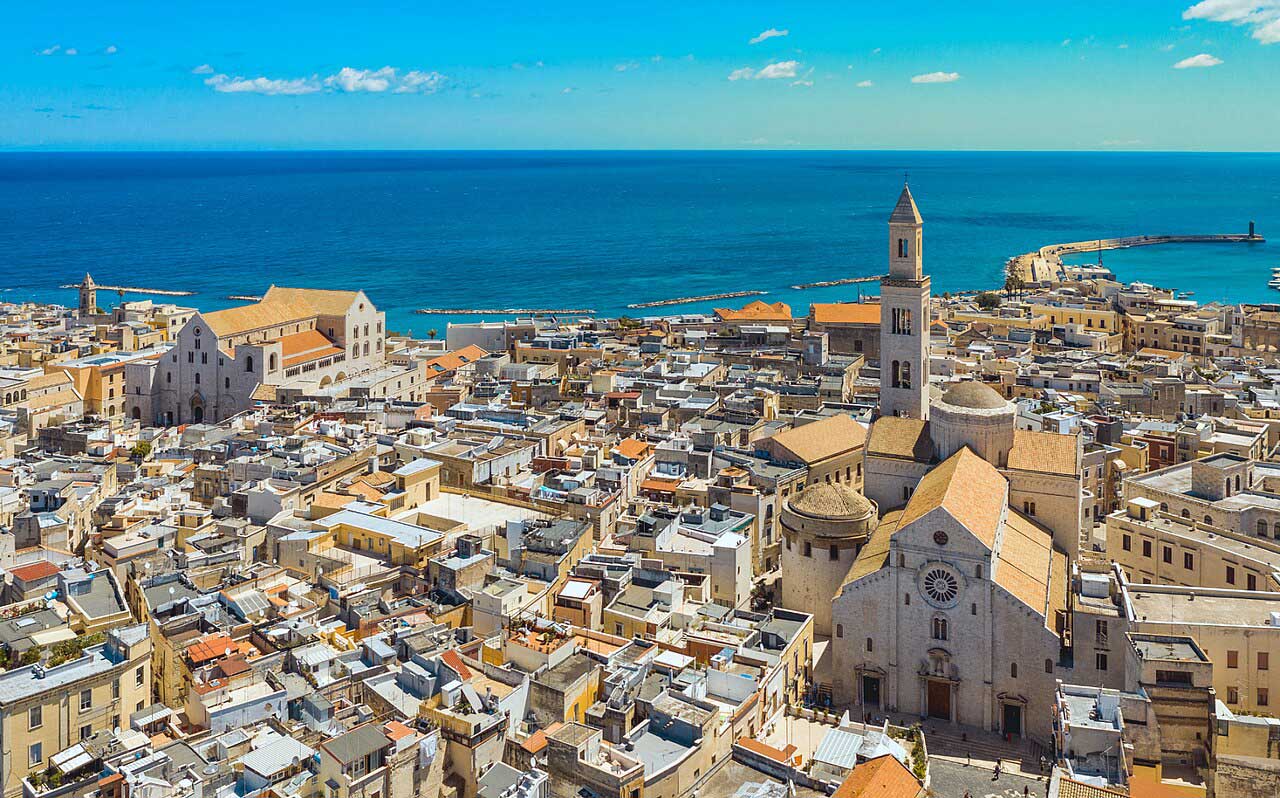
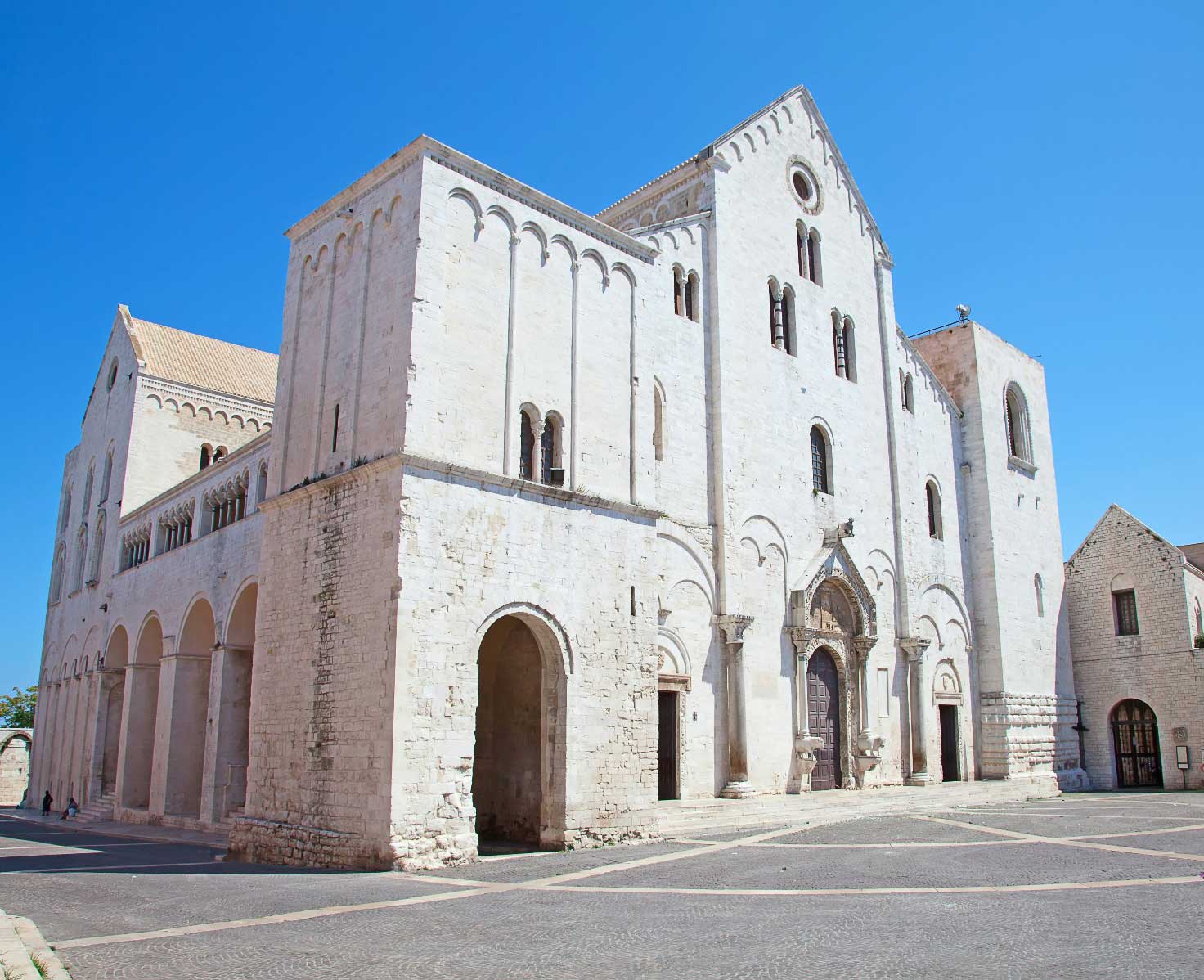
We warmly invite you to discover Bari, the vibrant seaside city hosting our summer school. From its charming historic center and beautiful waterfront to its rich culinary traditions and welcoming atmosphere, Bari offers an inspiring setting for learning and exploration. We hope you will take the opportunity to experience all that this unique Mediterranean city has to offer.