TwInn4MicroUp Holds Year 2 General Assembly Meeting in Bari
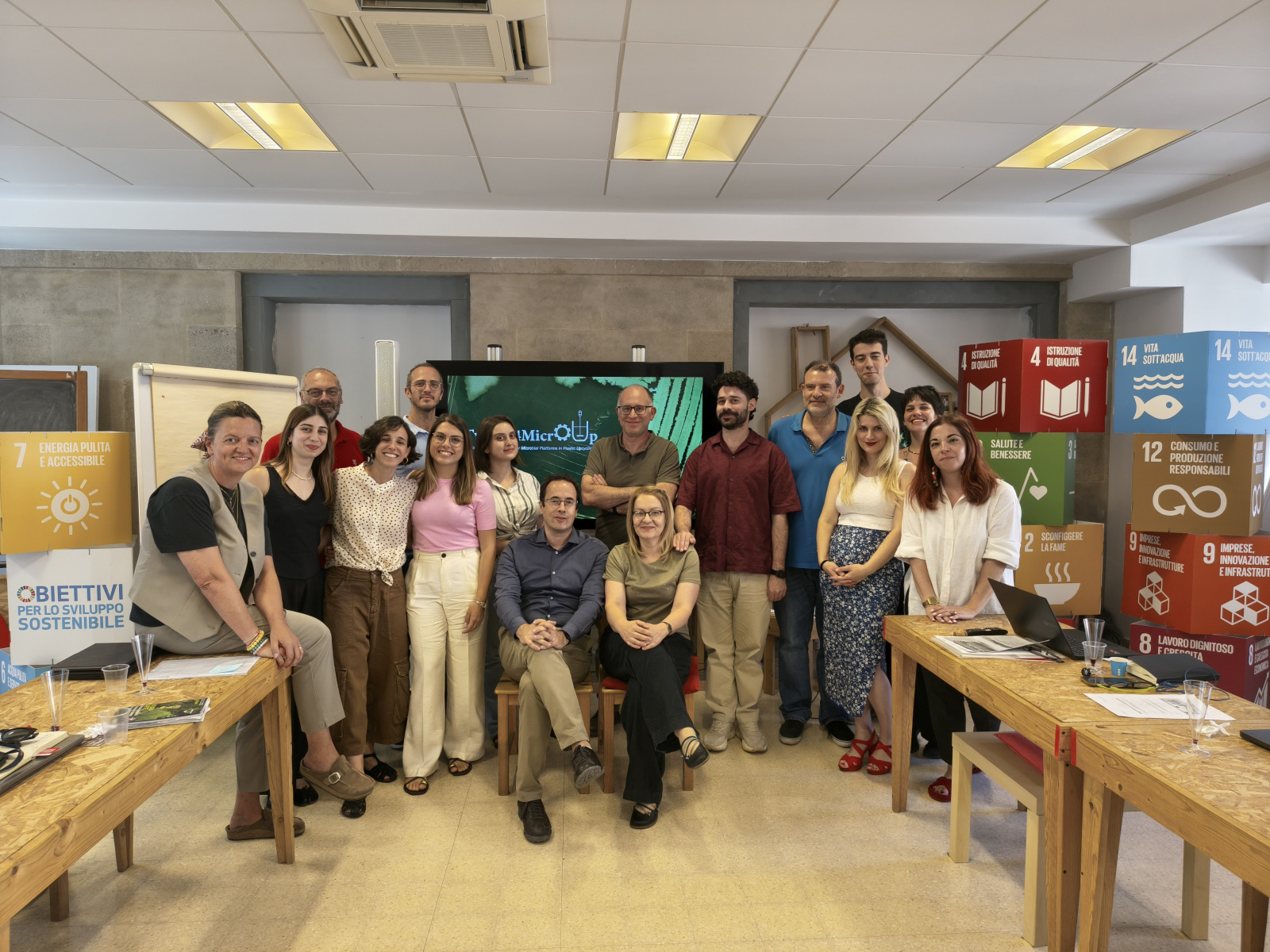
On 16 June 2026, the TwInn4MicroUp consortium held its Year 2 General Assembly Annual Project Meeting in Bari, Italy. The meeting brought together representatives from all four project partners, aiming to review the progress achieved during the second year of the project and align priorities for the final project period.
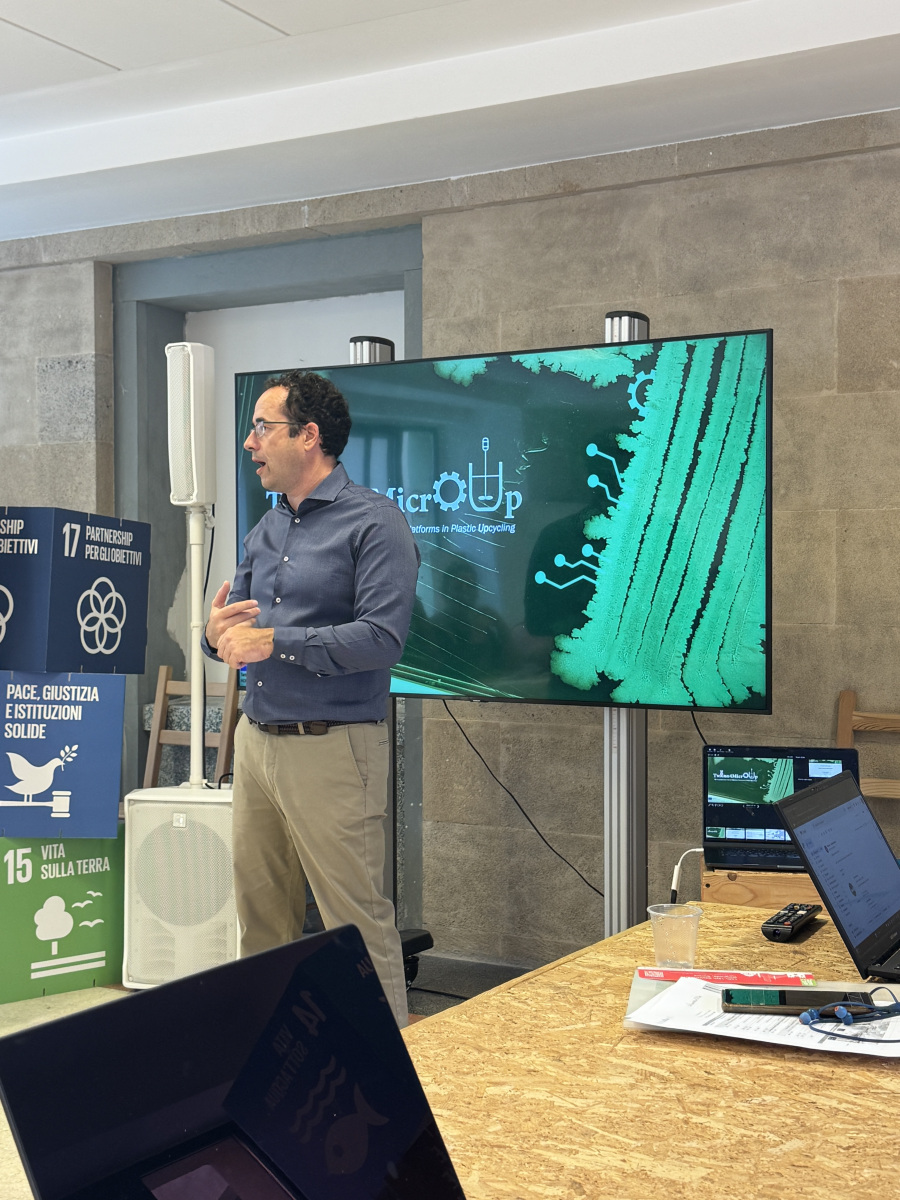
The meeting opened with an address and TwInn4MicroUp overview by the project coordinator Prof. E. Topakas (NTUA), who introduced the consortium’s progress and framed the objectives of the day. Their opening remarks were followed by a full-day programme covering the scientific, innovation, knowledge transfer, dissemination and outreach components of the project. Discussions focused on how synthetic biology and microbial biotechnology can enable the biodegradation and upcycling of plastic waste into valuable products.
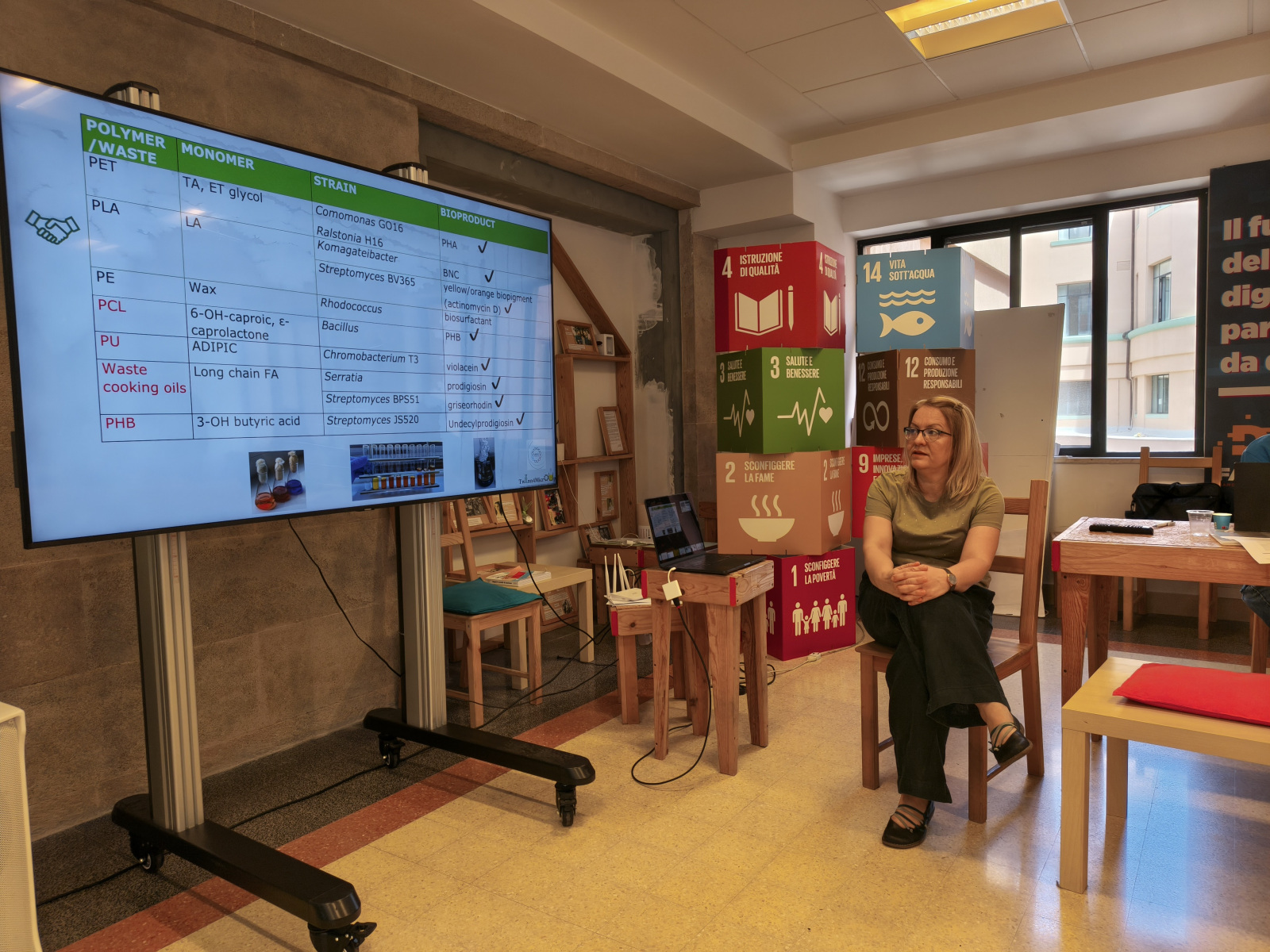
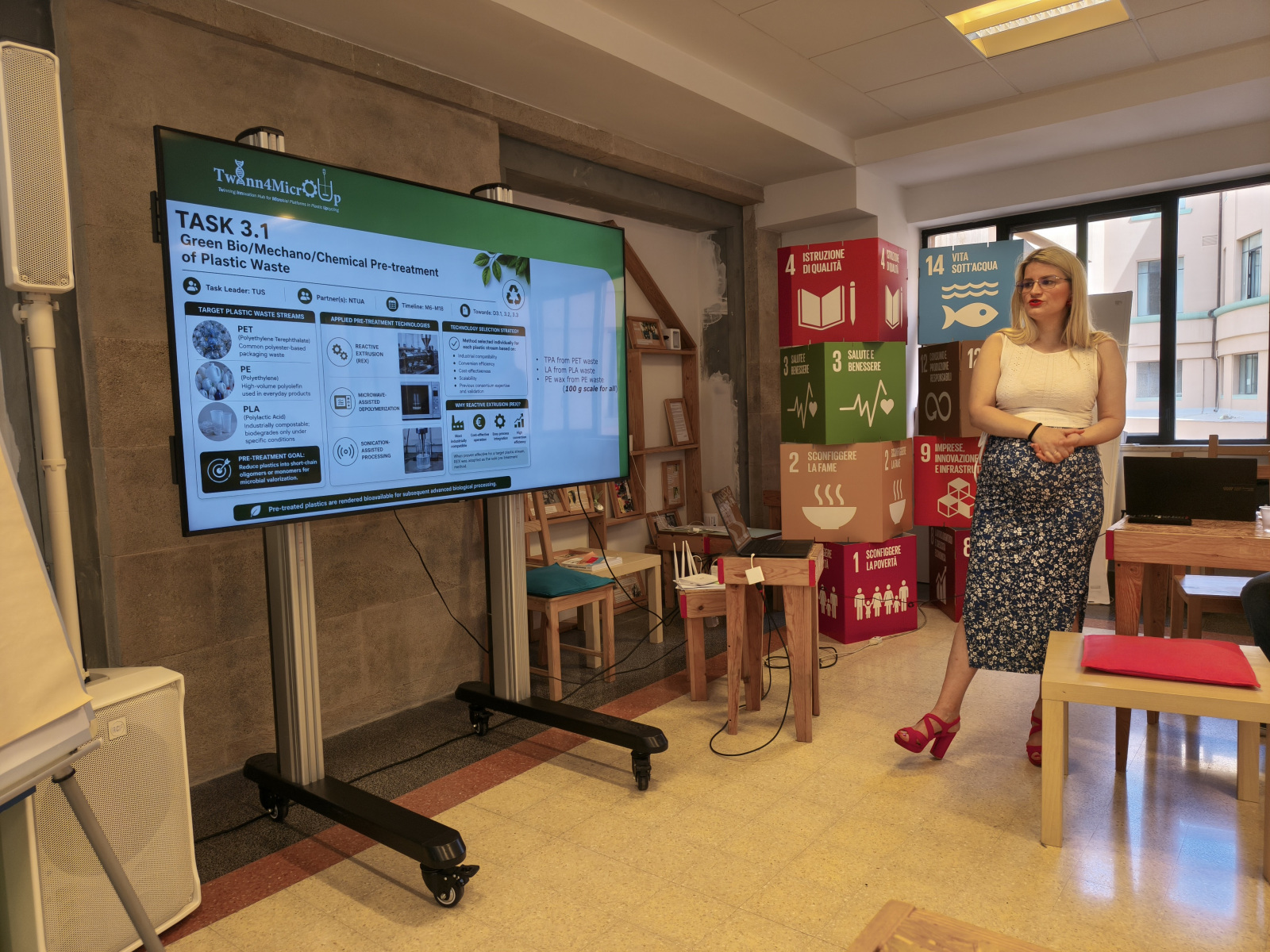
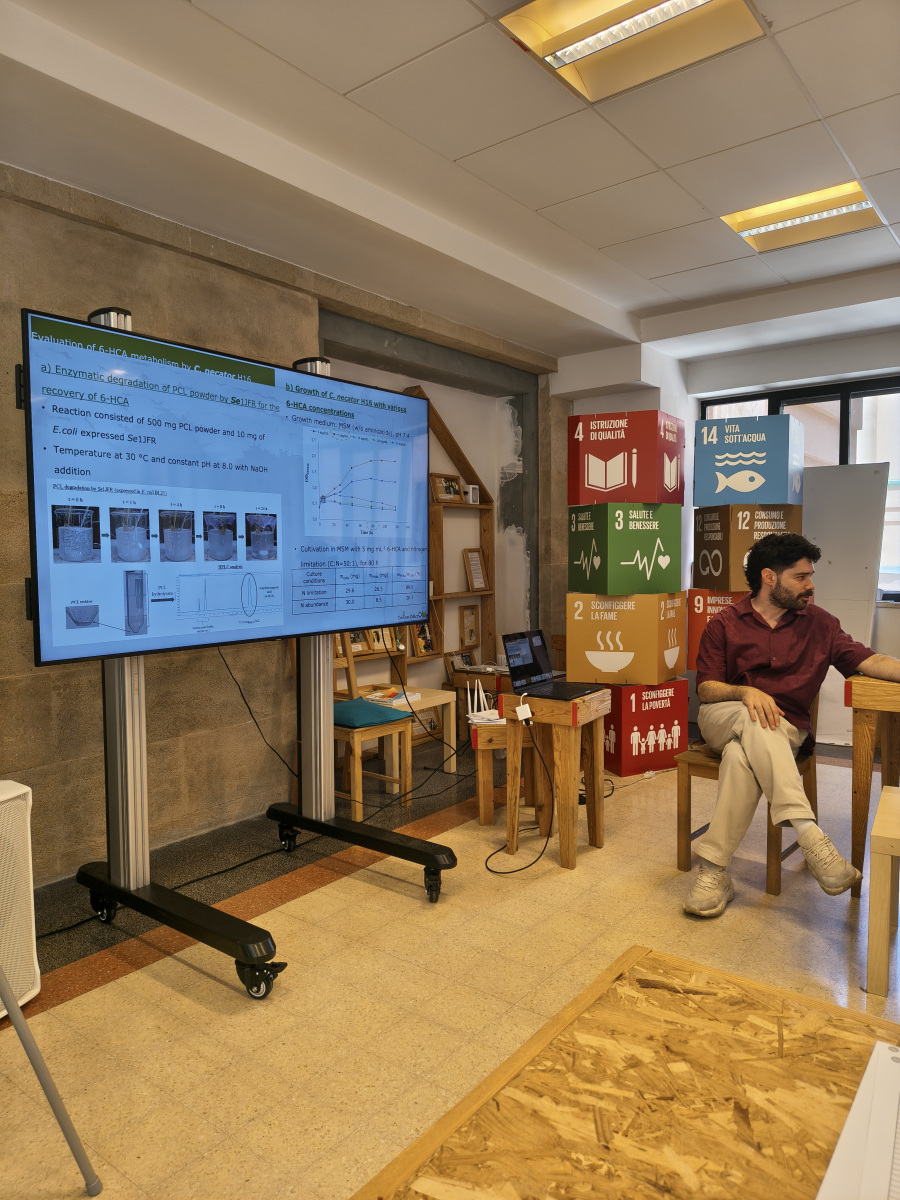
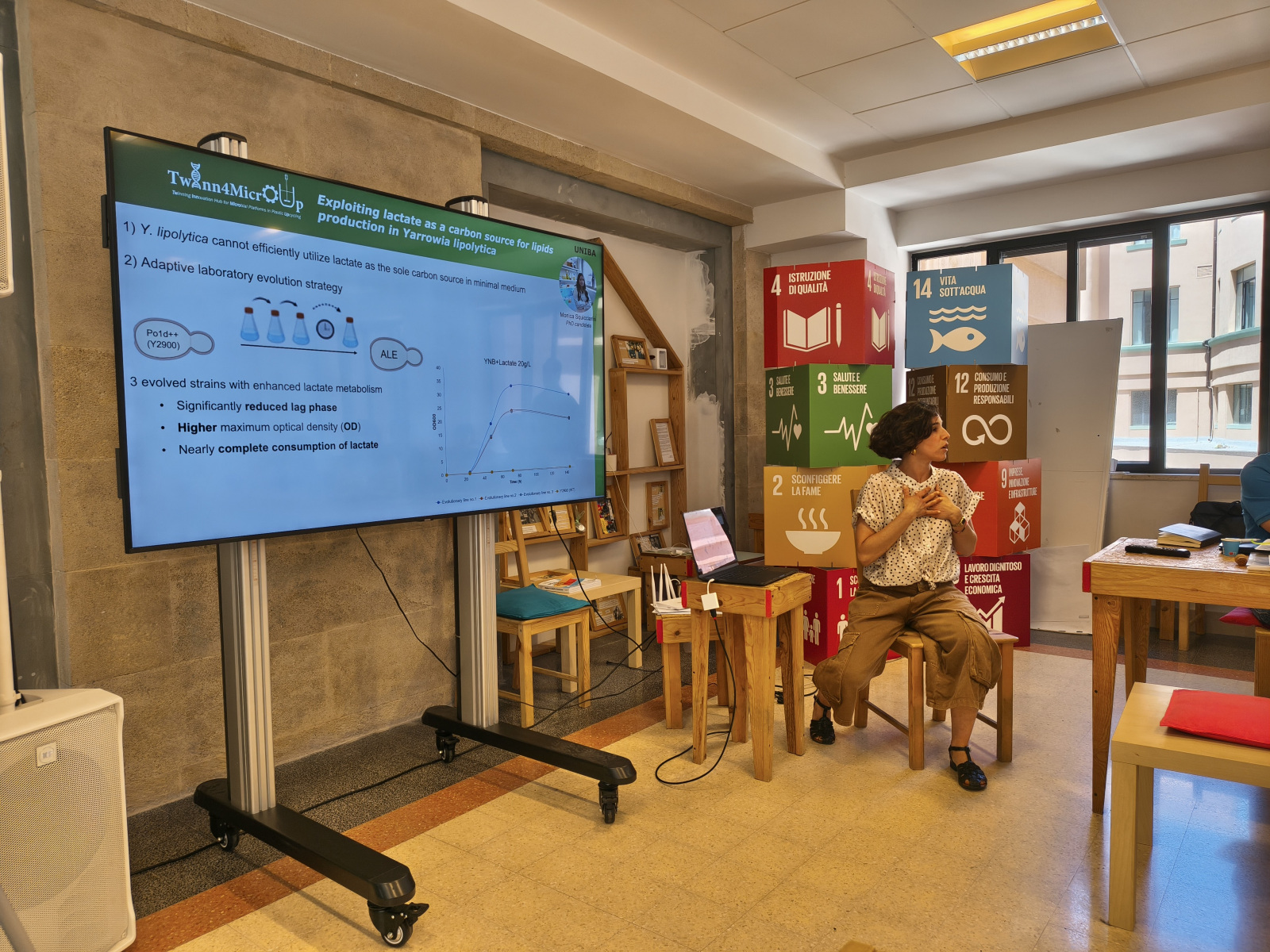
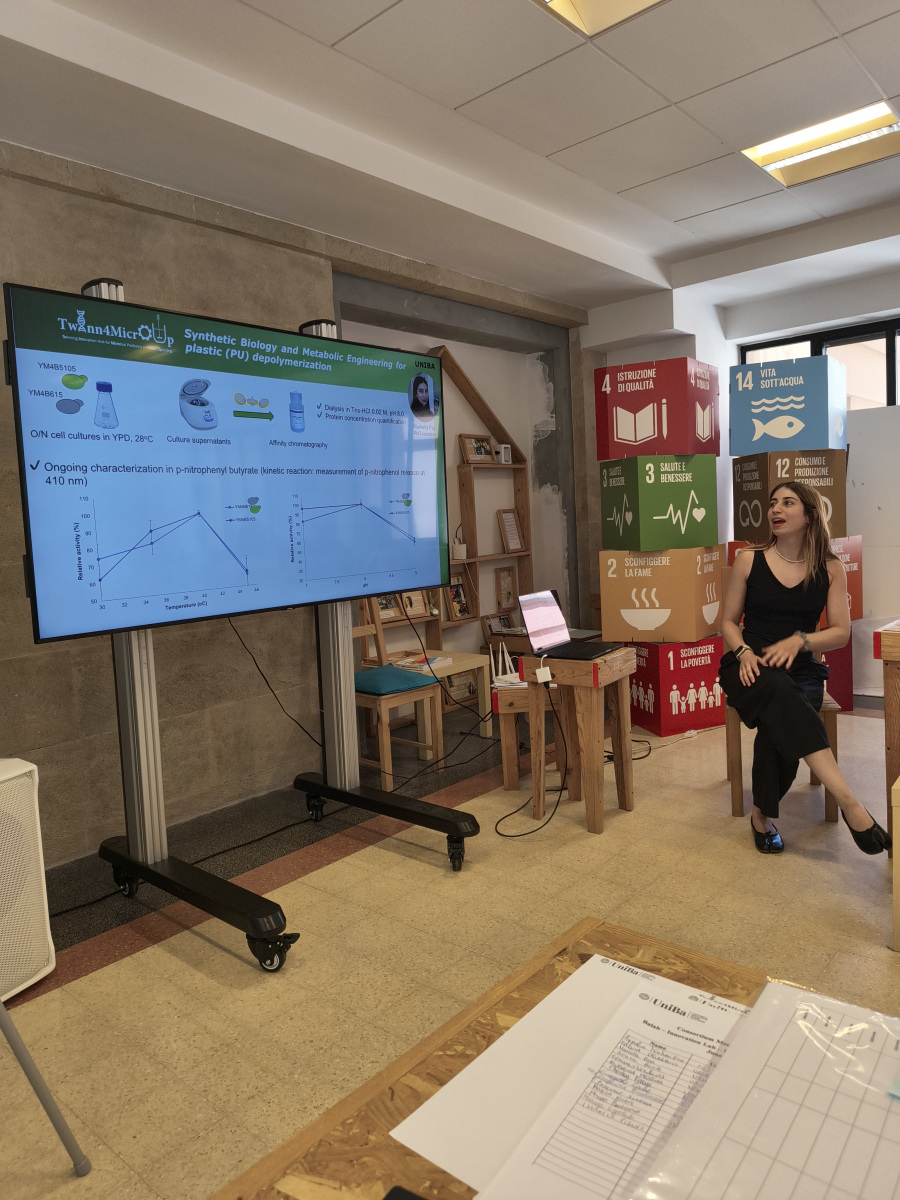
During the Scientific Component of the project (WP3), speakers from the partner institutions presented key progress across the project’s plastic upcycling pipeline. Dr. M. Mojicevic (TUS) led the session on plastic waste pretreatment, reporting the development of pretreatment protocols and the production of PET-derived terephthalic acid, PLA-derived lactic acid and PE-derived wax at 100 g scale. The session on Microbial Cell Factories: Yarrowia lipolytica system was delivered by Prof. G. Agrimi and Dr. E. Messina (UNIBA), as well as M. Papi from NTUA, highlighting adaptive evolution for PLA-derived lactate utilization, metabolic engineering for lipid production and synthetic biology pipelines for polymer depolymerization. Prof. J. Nicodinovic-Runic (IMGGE) and Dr. E. Nikolaivits (NTUA) then presented bacterial systems for plastic upcycling, including strain portfolios for the conversion of plastic-derived substrates into pigments, biosurfactants, PHAs and other value-added products. The WP3 scientific block concluded with the session on Valuable and Innovative Bioproducts, delivered by NTUA and IMGGE representatives.
Across these scientific presentations, the consortium discussed scale-up activities and fermentation optimization, with work progressing on actinomycin D, prodigiosin, PHA, DHA and microbial lipid production. Several routes have already moved toward bioreactor-scale validation, demonstrating the potential of plastic-derived feedstocks as alternative carbon sources for microbial production platforms.
The meeting also reviewed the project’s broader performance. By the end of May 2026, TwInn4MicroUp had completed 8 deliverables, 4 milestones, 9 secondments, 1 training school, 1 workshop, 2 webinars, 3 seminars and 7 public outreach activities. Dissemination and communication activities showed strong momentum, with 11.5K total visits across the website and social media channels, 171 posts, 12 videos and more than 1.5K people engaged through events. Scientific visibility also continued to grow, with 6 publications, 16 conference or symposium attendances, 7 scientific festivals and 10 keynote or invited lectures reported.
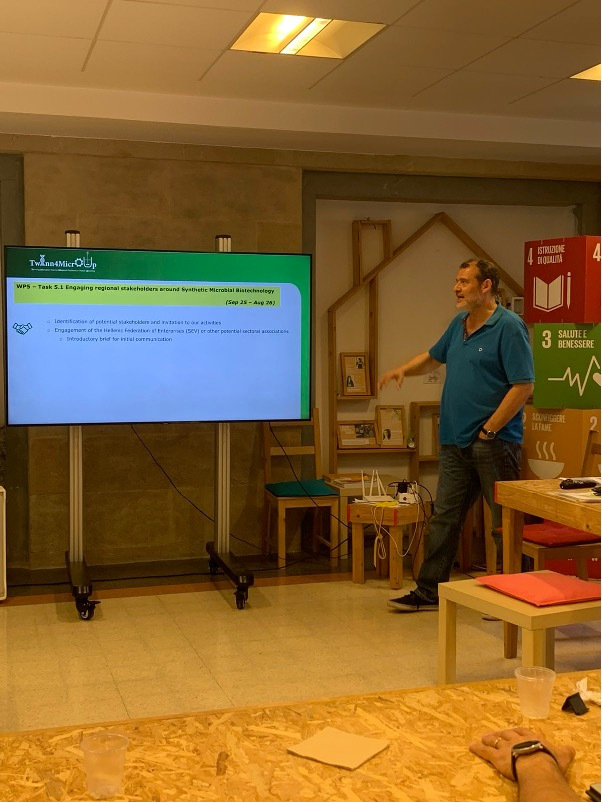
Under WP5, dedicated to synergistic industrial engagement and innovation incubation, Prof. A. Tsakanikas (NTUA) presented the Year 2 overview and plans for Year 3. The session reviewed the consumer acceptance survey, the development of the TwInn4MicroUp Hub, the upcoming MicroUp Challenge, the planned Academy-Industry Forum and the Portfolio of Solutions. The Non-Scientific Component of the project (WP2, WP4 and WP6) focused on knowledge transfer, dissemination and outreach activities, was presented by Dr. C. Ferousi (NTUA), who outlined Year 2 achievements and plans for Year 3. Key priorities for the final project period include further strain optimization, continued fermentation scale-up, expansion of plastic to bioproduct routes, strengthening of the TwInn4MicroUp Hub, and enhanced collaboration with industrial and academic stakeholders.