TwInn4MicroUp Research Presented at the CABR April Research Colloquium 2026
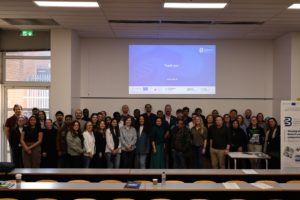
On 28 April 2026, the Centre for Applied Bioscience Research (CABR) hosted its April Research Colloquium at the Technological University of the Shannon (TUS) Moylish Campus in Limerick, Ireland. The colloquium provided a valuable platform for researchers, academics, and innovation stakeholders to present ongoing research activities, exchange ideas, and foster interdisciplinary collaboration.
The programme featured presentations spanning applied biosciences, environmental sustainability, data-driven research, and artificial intelligence applications in the life sciences. Through these sessions, participants explored emerging research trends and identified opportunities for future collaboration across diverse scientific disciplines.
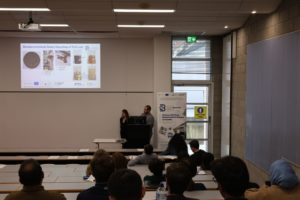
As part of the event, Mr. Necdet Ozcelik and Mrs. Zeliha Ece Ozcelik delivered a presentation entitled “Centre for Polymer Sustainability: Mechanochemical Green Recycling of PLA Lids and Smart Textile Design.” The presentation highlighted innovative research focused on sustainable polymer management and the development of environmentally responsible materials and products.
A key aspect of the presentation was the exploration of mechanochemical approaches for the green recycling of polylactic acid (PLA) materials, demonstrating their potential to support resource efficiency and circular economy objectives. The researchers also discussed concepts in smart textile design that integrate sustainability considerations into material innovation and product development.
The colloquium further emphasized the importance of regional innovation ecosystems and the contribution of European-funded research initiatives, including activities promoted through the #EUinmyRegion initiative. By bringing together expertise from multiple sectors and disciplines, the event reinforced the value of collaborative research in addressing environmental and technological challenges.
Participation in the CABR April Research Colloquium provided an excellent opportunity to disseminate research outcomes, engage with the wider scientific community, and contribute to ongoing discussions on sustainability, biotechnology, and innovative materials. The event also strengthened connections between researchers working toward more sustainable and circular solutions, highlighting the important role of EU-supported projects in advancing research excellence and regional development.