Twinn4MicroUp participates in Biofest II, strengthening synergies with EU-funded rural regeneration initiatives
As part of its efforts to build synergies with other EU-funded initiatives, Twinn4MicroUp participated in Biofest II, an event connected to the GOV4ALL project, Governance and business models for living labs: Rural regeneration hubs for tackling soil health challenges in the Mediterranean region. Funded by the EU Soil Mission, GOV4ALL brings together 36 partners from seven countries to support rural communities in identifying, testing and disseminating regenerative soil management practices. This shared focus on sustainability, circularity and local engagement provided a meaningful framework for Twinn4MicroUp’s contribution to the event.
From 22 to 25 April 2026, Twinn4MicroUp participated in Biofest II, hosted at Thyrea BioFabLab in Astros, Greece. The event focused on biomaterials, fungi and circularity, continuing the momentum of the first Biofest, which marked the launch of Thyrea BioFabLab in October 2023.
Biofest II adopted an “un-conference” format, encouraging participants to actively shape the programme through workshops, informal talks, demonstrations and hands-on experimentation. This open and collaborative approach created a dynamic space for sharing knowledge on biomaterial development, fungal cultivation techniques, circular systems and practical biotechnology applications.
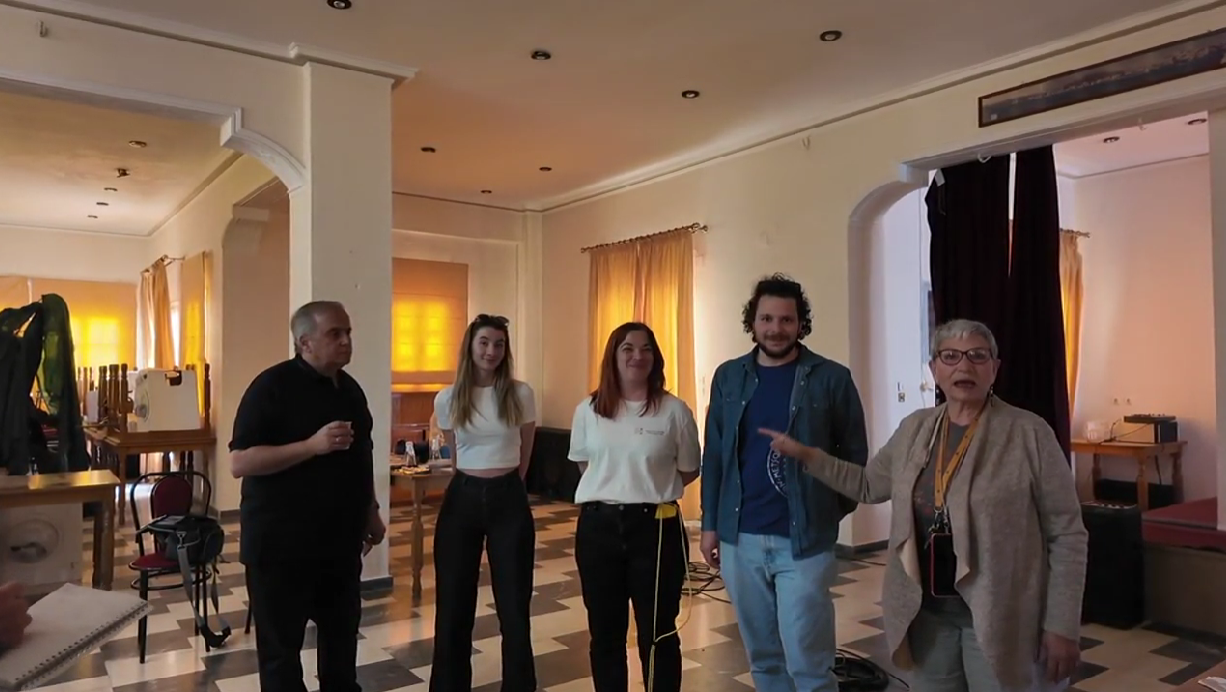
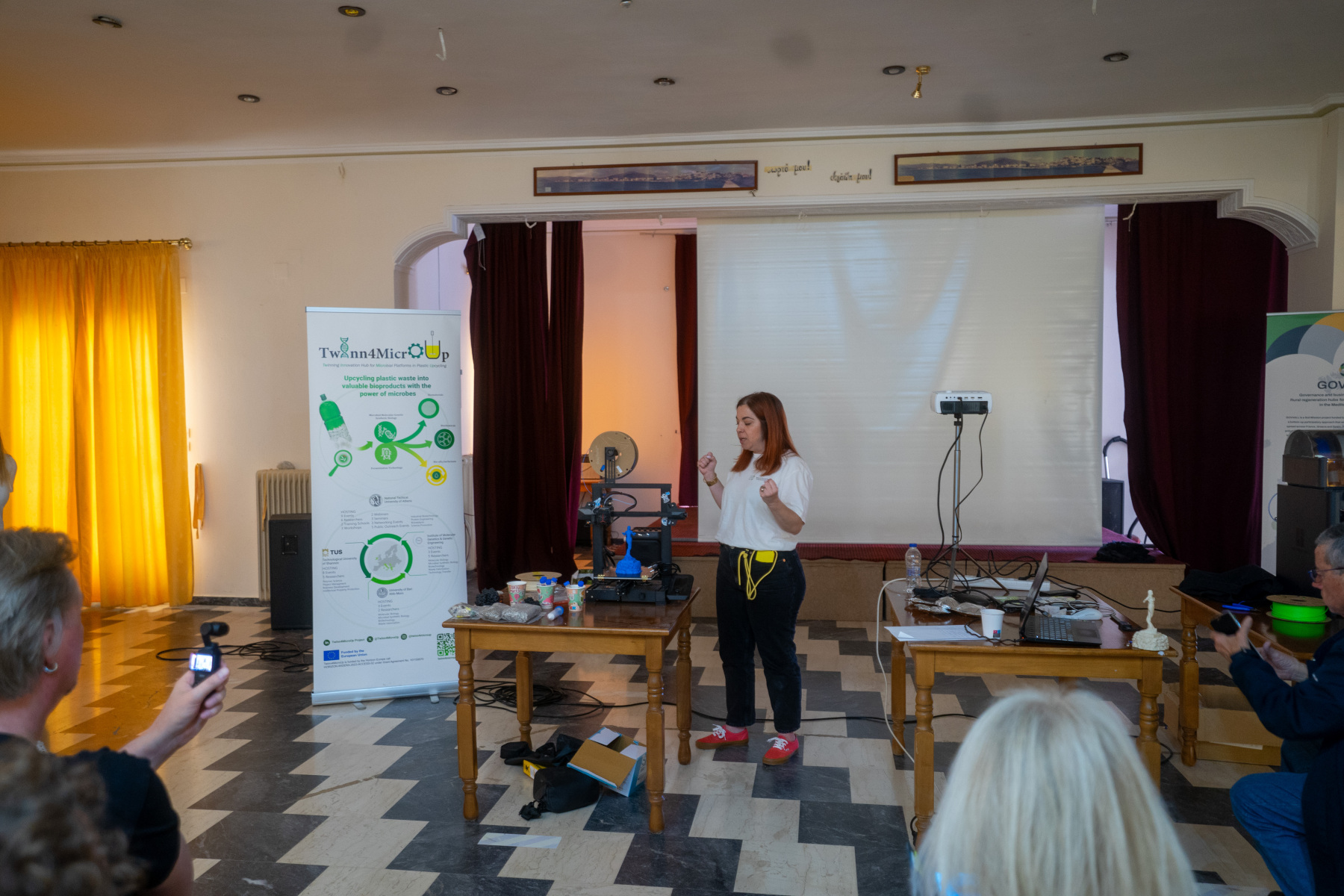
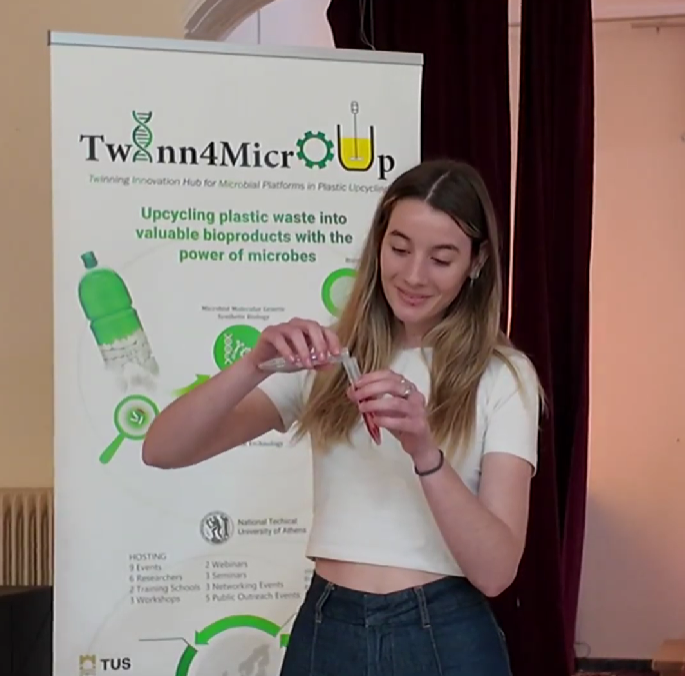
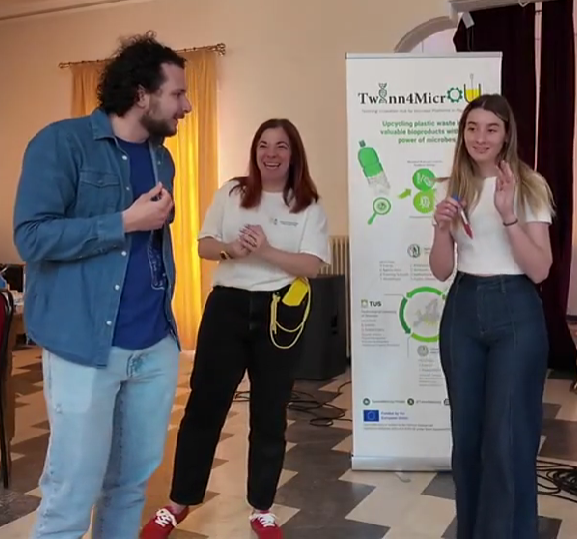
The NTUA team was represented by Dr. Christina Ferousi, Konstantinos Grigorakis and Kleoniki Mitili, who delivered oral presentations and introduced the audience to the aims, progress and completed actions of Twinn4MicroUp.
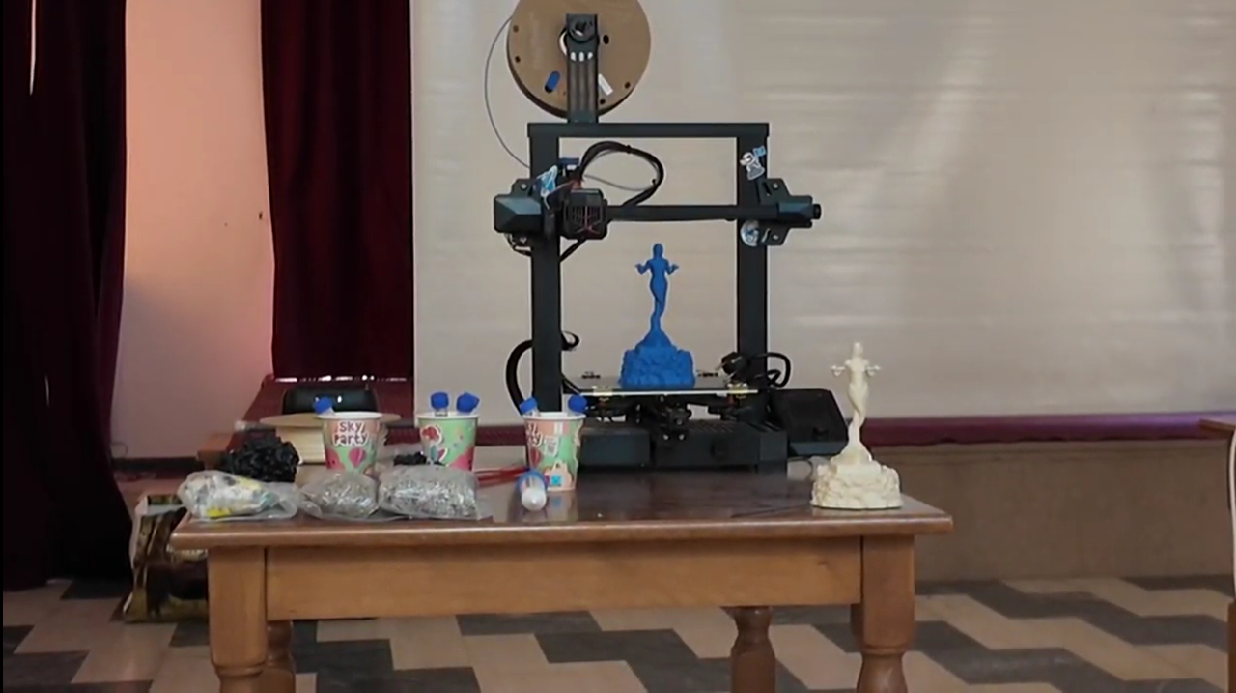
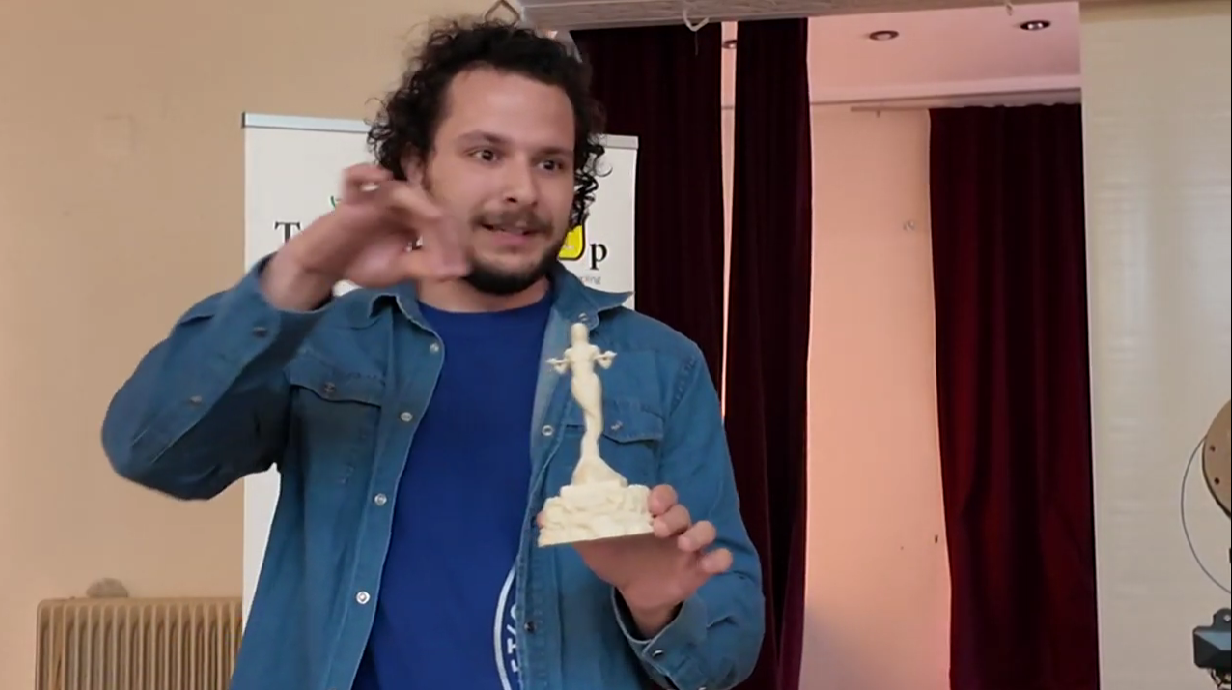
A highlight of the team’s participation was a hands-on workshop demonstrating a complete “lab-to-object” process using commercial PHA filament to represent the potential of PHAs developed in the biotechnology laboratory. During the workshop, participants observed the live 3D printing of the Mermaid of Paralio Astros, which had been 3D scanned by the NTUA team in advance. This demonstration showcased how microbial biotechnology can contribute to the development of sustainable materials and support the transition towards a circular bioeconomy.
The team also presented a biopigment with pH-indicator properties, offering another example of how microbial processes and biomaterials can be translated into practical, educational and demonstration-oriented applications.
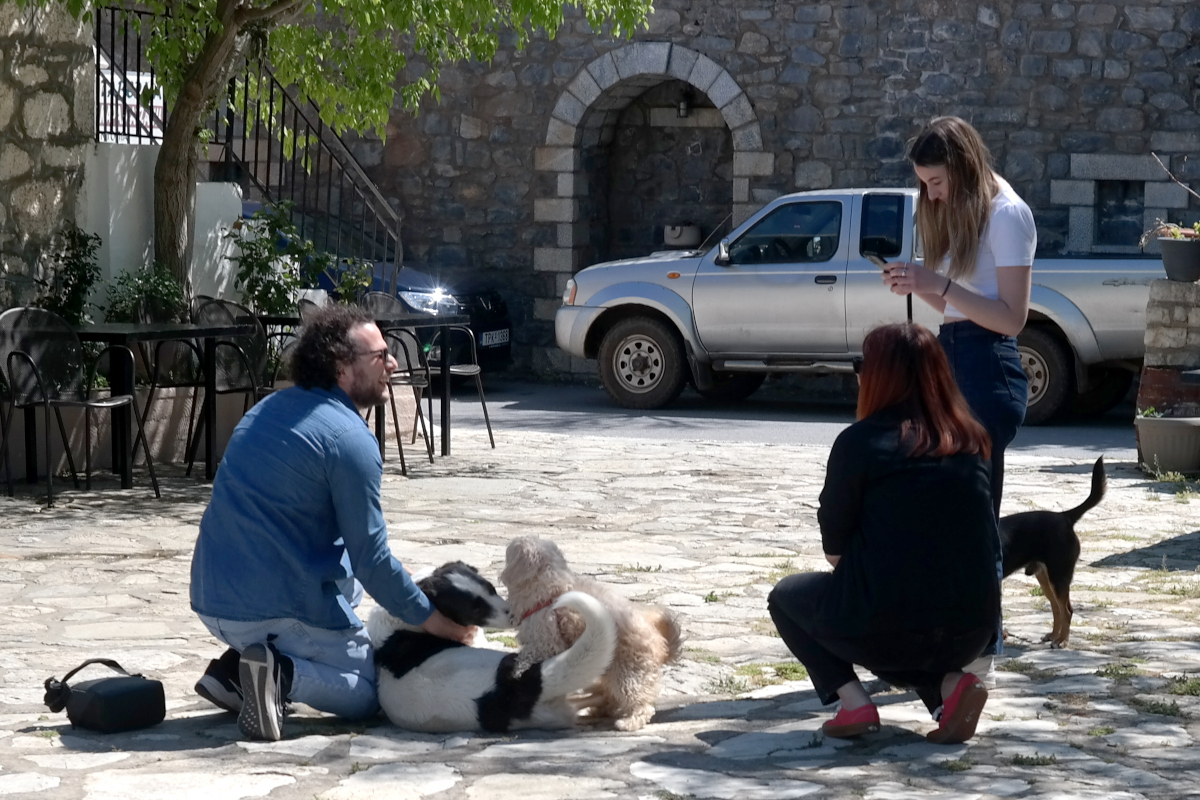
By taking place in a rural setting, Biofest II helped bring scientific knowledge and biotechnology practices closer to local communities, farmers, researchers and makers. This was particularly relevant for applications connected to agriculture, sustainability and circular innovation, where local engagement can play an important role in testing, adapting and implementing new solutions.
Twinn4MicroUp’s participation in Biofest II strengthened dialogue around microbial biotechnology, sustainable materials and regional innovation, while creating opportunities for collaboration and knowledge exchange beyond traditional academic environments. The event also highlighted the value of connecting EU-funded projects working across complementary fields, from microbial upcycling and biomaterials to rural living labs, soil health and regenerative practices.